Pennock's Fiero Forum
  Technical Discussion & Questions
  Can someone explain how a distributor gets lubrication?

Post New Topic  Post A Reply
Email This Page to Someone! | Printable Version


next newest topic | next oldest topic
Can someone explain how a distributor gets lubrication? by 82-T/A [At Work]
Started on: 06-29-2024 10:35 PM
Replies: 5 (161 views)
Last post by: 82-T/A [At Work] on 06-30-2024 02:19 PM
82-T/A [At Work]
Member
Posts: 25834
From: Florida USA
Registered: Aug 2002


Feedback score: (1)
Leave feedback


Total ratings: 200
Rate this member

Report this Post06-29-2024 10:35 PM Click Here to See the Profile for 82-T/A [At Work]Send a Private Message to 82-T/A [At Work]Edit/Delete MessageReply w/QuoteDirect Link to This Post
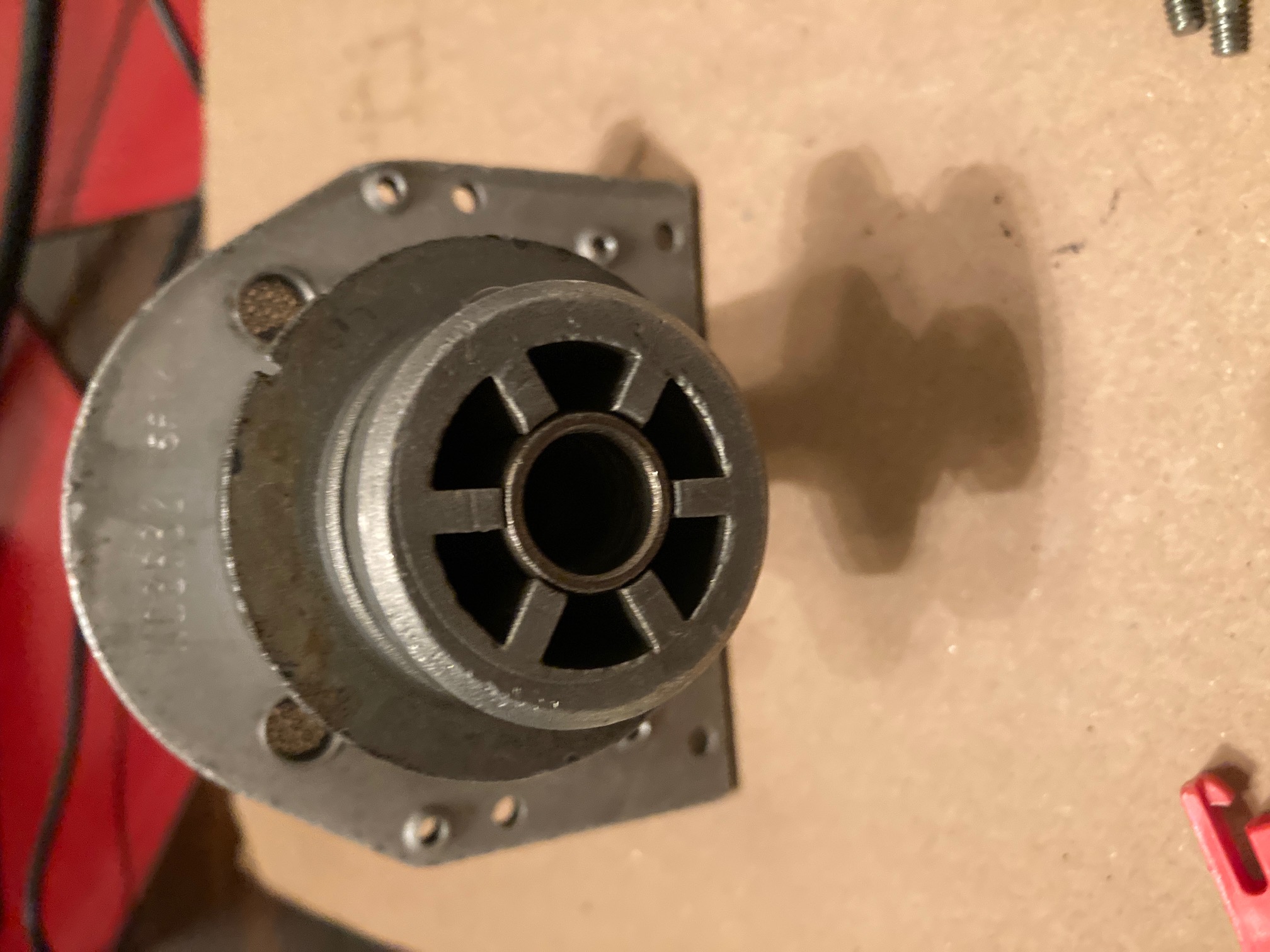
My daughter is rebuilding her distributor, and we took some pictures of it disconnected. In most engines that I've taken apart, the distributor and oil pump share the same cam gear... usually there's a hex-sided dowel that goes between the distributor and the oil pump. In the Iron Duke, the distributor has it's own gear off the camshaft (same with the oil pump)... which is actually a better design in my opinion. Though from what I can tell, the original design of the Iron Duke did it the same way.

Anyway, I could see no oil passages near the distributor, or anything that would insinuate that oil would get forced up into the distributor.


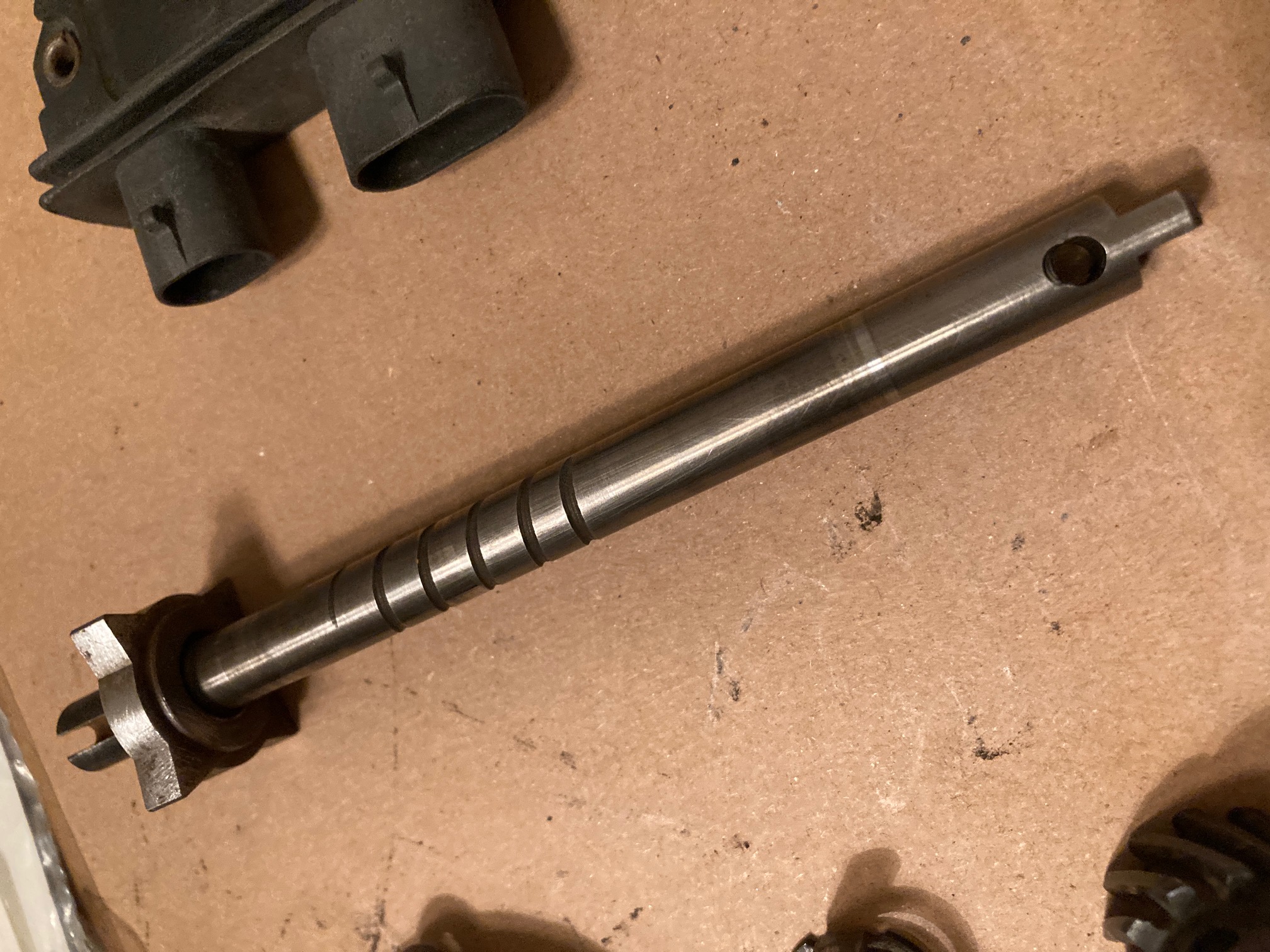
Looking at the disassembled distributor, I see two things:


There's open holes at the base of the distributor where it's bolted into the engine block.


... and the distributor shaft seems to have this spiral groove in it that I assume is used as a pump of some sort (or to create suction or vacuum, perhaps).


Anyone know exactly how the distributor gets oiled? Is there something that specifically splashes oil into and underneath it which then gets sucked up through this spiral groove cut into it, to help force it to the top... and then it drains out those holes?


Last question... can she use engine assembly lube on the shaft when she puts it all back together, or would it be better to just use normal motor oil? She didn't replace the bushing since there was absolutely no play in it.


Thanks!!!
IP: Logged
PFF
System Bot
jelly2m8
Member
Posts: 6316
From: Nova Scotia, Canada
Registered: Jul 2001


Feedback score: N/A
Leave feedback


Total ratings: 242
Rate this member

Report this Post06-30-2024 05:43 AM Click Here to See the Profile for jelly2m8Send a Private Message to jelly2m8Edit/Delete MessageReply w/QuoteDirect Link to This Post
There is no seal other than the housing gasket. Guessing as I never thought why before that seeing the disturber dive shaft is in that open bit of the block that magic happens and splashing oil / oil vapors is enough to lube that disturber Shaft?

Sometimes **** just works, don't question it

[This message has been edited by jelly2m8 (edited 06-30-2024).]

IP: Logged
82-T/A [At Work]
Member
Posts: 25834
From: Florida USA
Registered: Aug 2002


Feedback score: (1)
Leave feedback


Total ratings: 200
Rate this member

Report this Post06-30-2024 07:42 AM Click Here to See the Profile for 82-T/A [At Work]Send a Private Message to 82-T/A [At Work]Edit/Delete MessageReply w/QuoteDirect Link to This Post
 
quote
Originally posted by jelly2m8:

There is no seal other than the housing gasket. Guessing as I never thought why before that seeing the disturber dive shaft is in that open bit of the block that magic happens and splashing oil / oil vapors is enough to lube that disturber Shaft?

Sometimes **** just works, don't question it


Yeah, I saw a page on that which talked about "oil mist" being driven up there, but I've never heard of such a thing before in a GM engine. It's probably right, but just curious how it generates that mist. The concern I have is when my daughter re-assembles the distributor, is it OK for her to coat the shaft in engine assembly lube, or will that "clog" or prevent the mist action?


Thanks!

[This message has been edited by 82-T/A [At Work] (edited 06-30-2024).]

IP: Logged
theogre
Member
Posts: 32520
From: USA
Registered: Mar 99


Feedback score: N/A
Leave feedback


Total ratings: 572
Rate this member

Report this Post06-30-2024 09:50 AM Click Here to See the Profile for theogreClick Here to visit theogre's HomePageSend a Private Message to theogreEdit/Delete MessageReply w/QuoteDirect Link to This Post
Just use motor oil that worried about it.

Get a lot of oil running off the cam bearings & lifters.

Lifters "leak" oil in their holes in the block on top of pumping oil thru the rods to the top of engine.

If you screw up putting the cover on the lifters, you will have big oil leak because that area is flooded when engine runs.

------------------
Dr. Ian Malcolm: Yeah, but your scientists were so preoccupied with whether or not they could, they didn't stop to think if they should.
(Jurassic Park)


The Ogre's Fiero Cave

IP: Logged
82-T/A [At Work]
Member
Posts: 25834
From: Florida USA
Registered: Aug 2002


Feedback score: (1)
Leave feedback


Total ratings: 200
Rate this member

Report this Post06-30-2024 11:11 AM Click Here to See the Profile for 82-T/A [At Work]Send a Private Message to 82-T/A [At Work]Edit/Delete MessageReply w/QuoteDirect Link to This Post
 
quote
Originally posted by theogre:

Just use motor oil that worried about it.

Get a lot of oil running off the cam bearings & lifters.

Lifters "leak" oil in their holes in the block on top of pumping oil thru the rods to the top of engine.

If you screw up putting the cover on the lifters, you will have big oil leak because that area is flooded when engine runs.


Thanks Ogre... that's what I'll do.

For the oil leaks, when my daughter put everything together, we filled the engine partially with oil (maybe a couple of quarts), and we used the engine stand and turned the engine at different angles. On each side, right side up, and then almost totally upside down, and left each overnight to see if there were any leaks. We did keep seeing some leaks from the oil lifter galley, but we fixed that by hand-coating the cork gasket for the lifter galley (rubbing it in with our fingers) all along the edge, and then torquing those retaining bolts down to specification. After that, the only leak we saw was actually from the oil plug... lol.
IP: Logged
82-T/A [At Work]
Member
Posts: 25834
From: Florida USA
Registered: Aug 2002


Feedback score: (1)
Leave feedback


Total ratings: 200
Rate this member

Report this Post06-30-2024 02:19 PM Click Here to See the Profile for 82-T/A [At Work]Send a Private Message to 82-T/A [At Work]Edit/Delete MessageReply w/QuoteDirect Link to This Post

82-T/A [At Work]

25834 posts
Member since Aug 2002
We rebuilt the distributor today. Slightly used GM ignition coil, new pickup / reluctor coil, new pickup coil clip, new magnet and bracket, O-ring, and of course cap and rotor. We also went with a heat-sink kit that I bought off eBay for $39 bucks, after I heard Patrick talking about something like this. Comes with a billet aluminum heat sink that's meant for a 3.8 distributor, but of course the distributor base is basically the same as they both use an HEI-8 ignition control module, so it fits perfectly.

The kit came with thermal paste for both the underside of the heat sink, and the underside of the ICM.
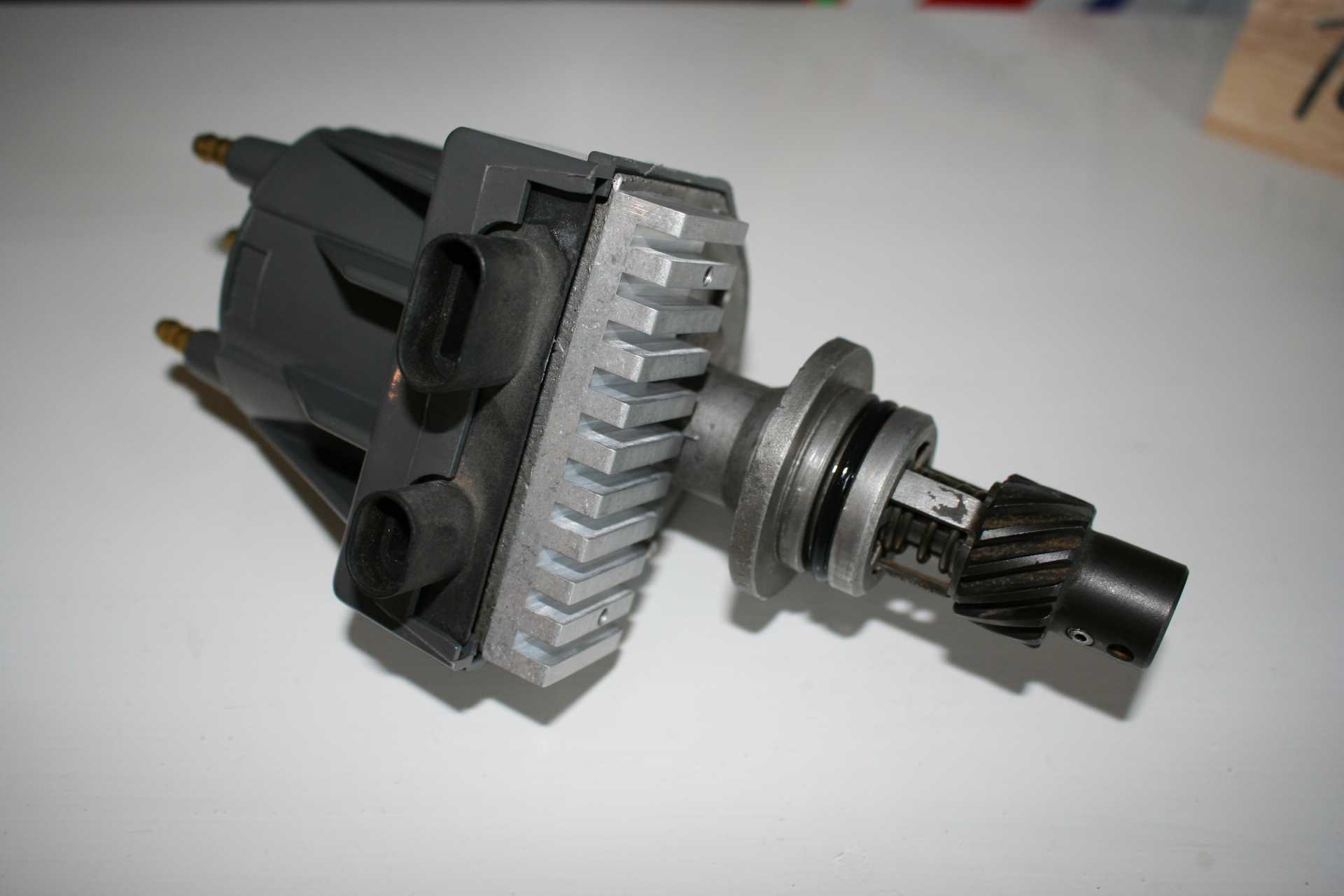


Worth mentioning, in order to get it to work, I was required to sand down (or remove) little tabs that stick down under the distributor housing. This is where the two screws go through the ignition control module and into the housing. The screw holes have additional meat (a tab underneath) that allows for more threads. I didn't like the idea of filing these down, so instead, we took a drill it that was the same size as the tab, and drilled into the underside of the heat sink instead, so that it would fit. It was minimal, but just enough so it would fit totally flush. The kit comes with extra-long screws that allow it to go through the ignition coil, and then screw into the heat sink.

Anyway, where I drilled into the heat sink, I expected it to be super hot, but the funny thing is the entire heat sink immediately became warm, with no single part of it being any warmer than the rest. Obviously, this is what a heat sink is supposed to do, but was impressed with how quickly and efficiently it worked.


This is what comes in the kit:
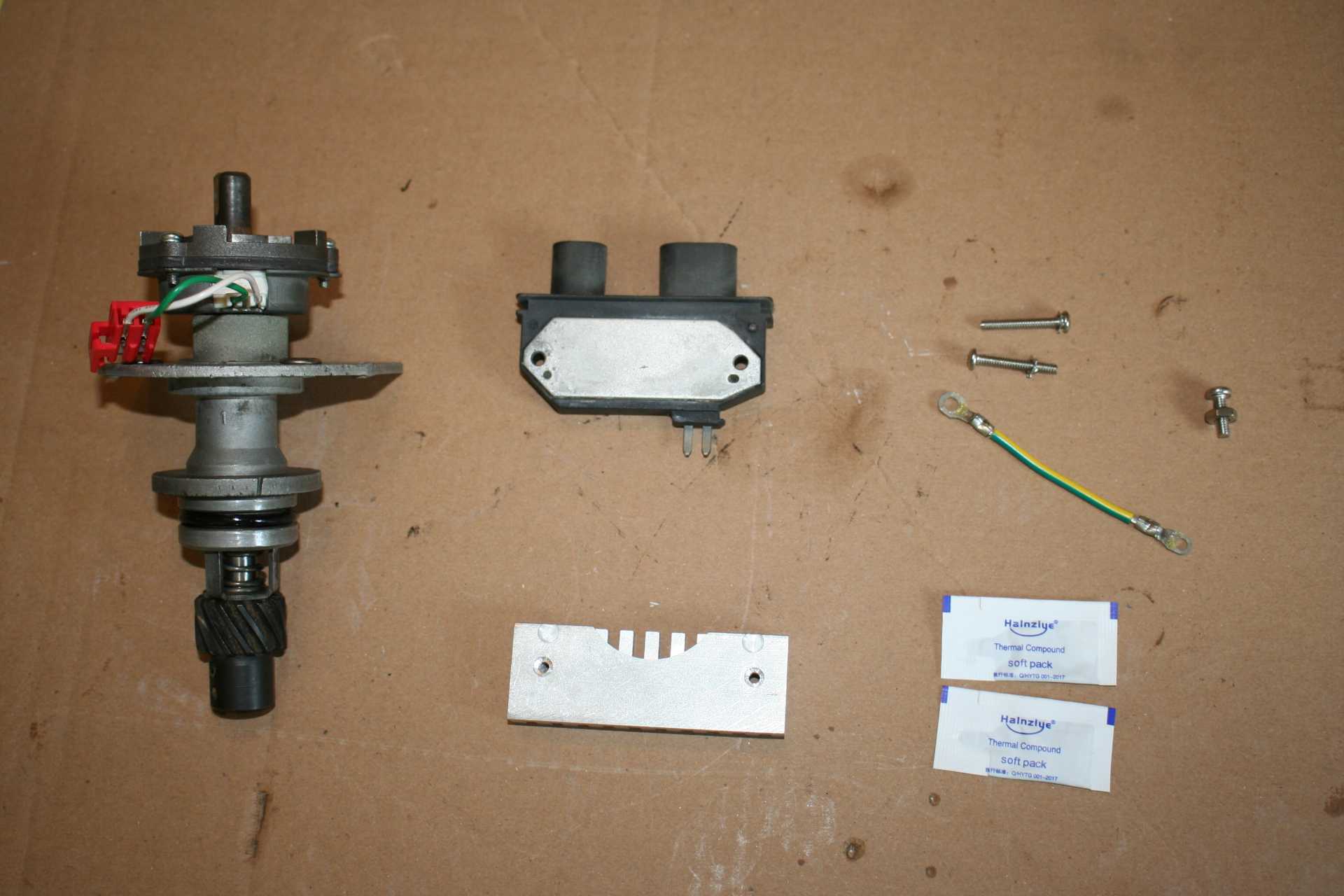


... note, it also came with a ground cable that attaches to the top of the ignition control module using the screw that tightens it down, and then you drill a hole in the distributor body and screw it in that way as well.

[This message has been edited by 82-T/A [At Work] (edited 06-30-2024).]

IP: Logged

next newest topic | next oldest topic

All times are ET (US)

Post New Topic  Post A Reply
Hop to:

Contact Us | Back To Main Page

Advertizing on PFF | Fiero Parts Vendors
PFF Merchandise | Fiero Gallery
Real-Time Chat | Fiero Related Auctions on eBay


Copyright (c) 1999, C. Pennock