Best forum, newbie here owns a Pontiac Phoenix 1980 with, and here's the thing, an iron duke 2.5ltr engine.
Above the intake manifold are 2 inlets?/ holes in the middle that seem to me to find a way somewhere in the head??? I have the idea that false air is being drawn through these holes because my car idles very badly and when I spray brake cleaner above the sprout it starts to run better.
Question is, Are these air exchange holes for the emisie? Or does it have to be closed by a separate part?
I hope you can help me.
I used to own a Sunbird and also tinkered with fieros at GM The Hague, but that was a long time ago. I'm a bit of a Pontiac lover.
Best regards
Roy
[This message has been edited by Yor61 (edited 05-22-2024).]
Above the intake manifold are 2 inlets?/ holes in the middle that seem to me to find a way somewhere in the head??? I have the idea that false air is being drawn through these holes because my car idles very badly and when I spray brake cleaner above the sprout it starts to run better.
I suspect you have something missing. Can you take a photo? If so, use the Upload Media tab at the lower left corner of the message posting box. (Make sure you are logged into the forum first.)
[This message has been edited by Patrick (edited 05-22-2024).]
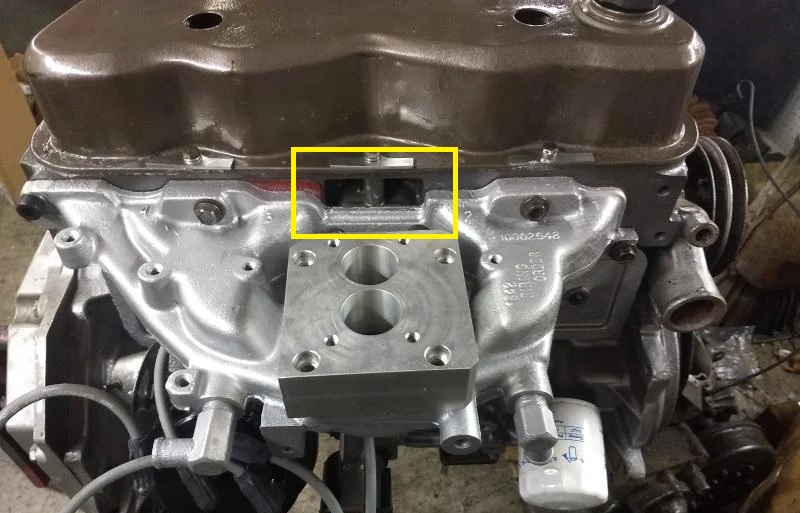
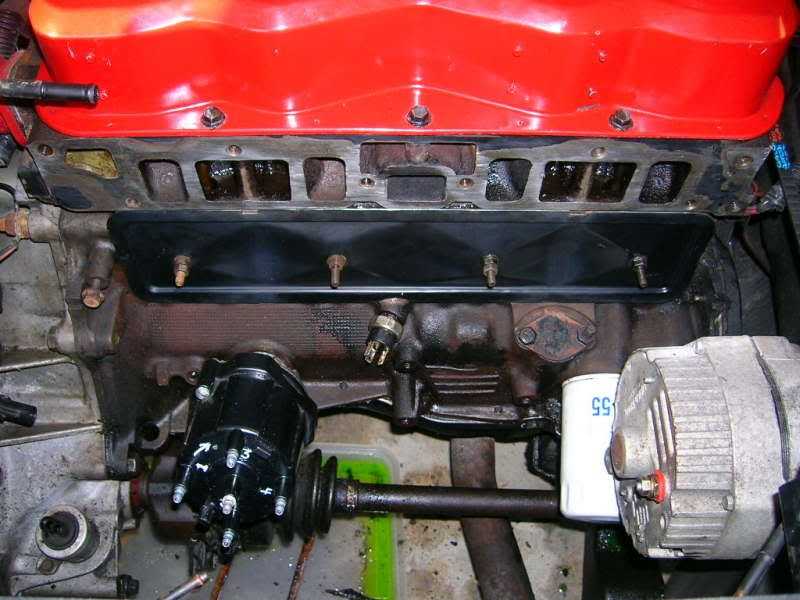
The picture is not my engine but excactly the same as i have. The yellow square is the issue. I have a an emision bracket on the inlet manifold under the carburator where the EGR is mounted on but don't have a cover for over the holes/inlets. If its mentioned to be so i don't know.
I would think those holes in the head are where the EGR assembly is supposed to connect. Is your EGR valve missing completely or what? You can't leave these holes wide open and expect your engine to run properly.
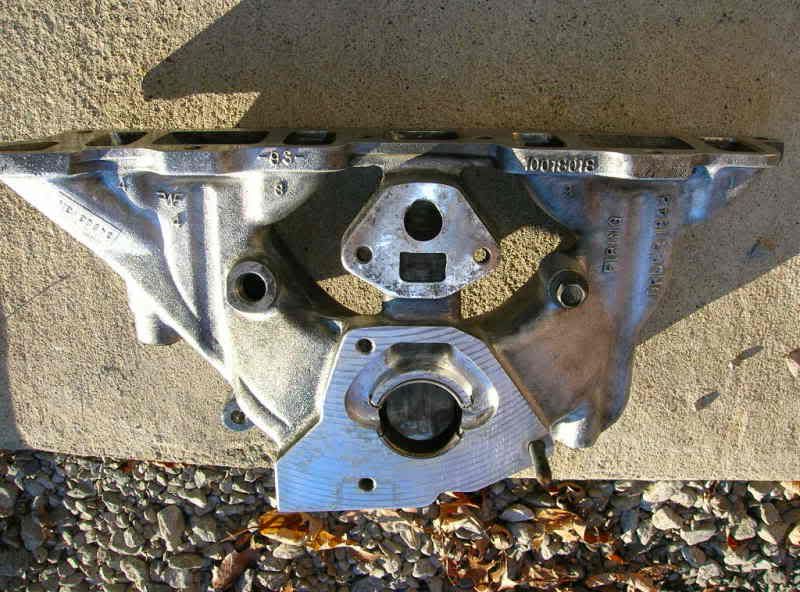
These are images I found online of an '84 Fiero 2.5 engine.
[This message has been edited by Patrick (edited 05-22-2024).]
I was afraid of that that i have the wrong inlet manifold on the car. I've seen the manifold wich you show and the engine has the same looks as mine. But the manifold is what i can see not covering the holes in the head.
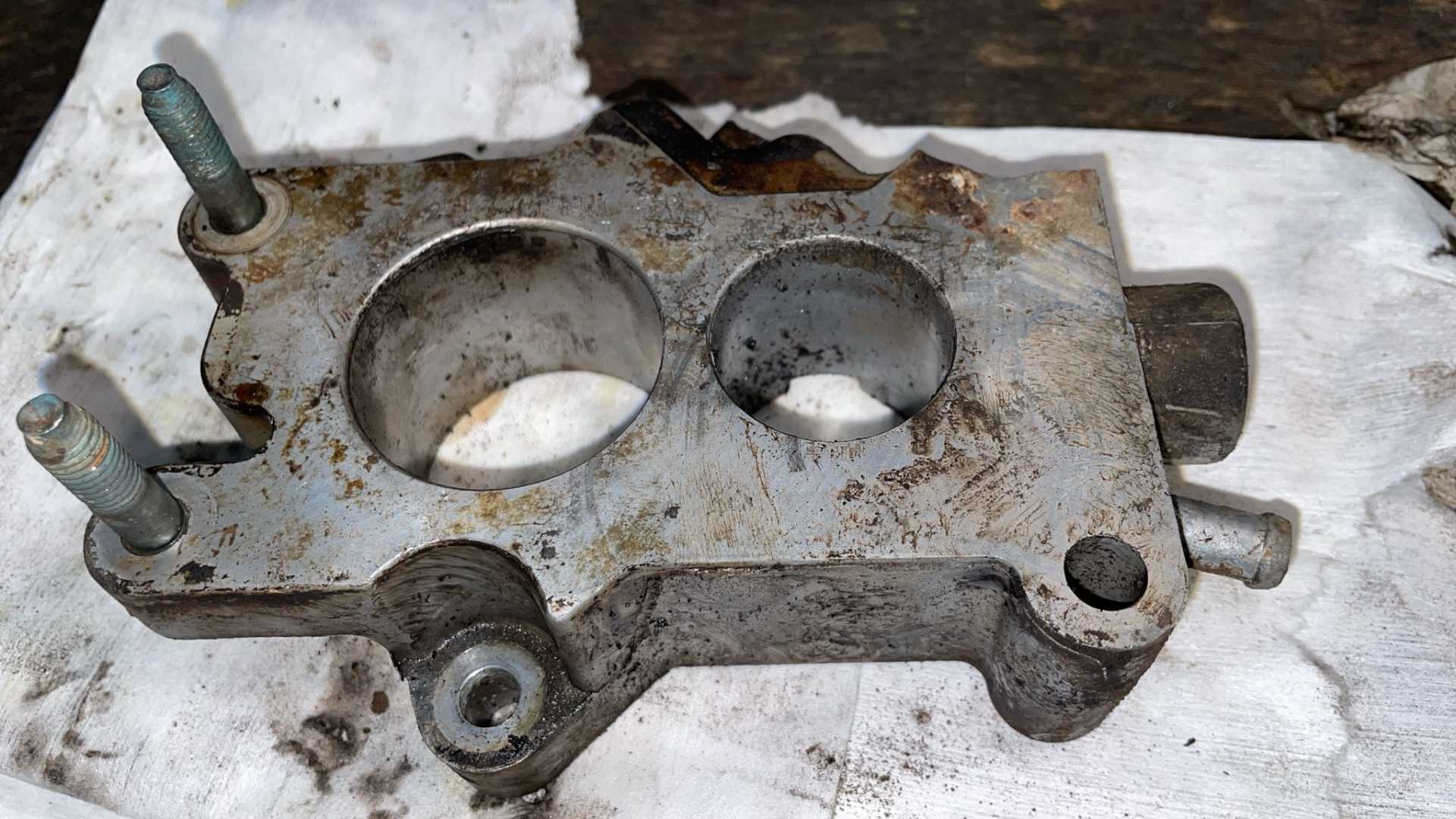
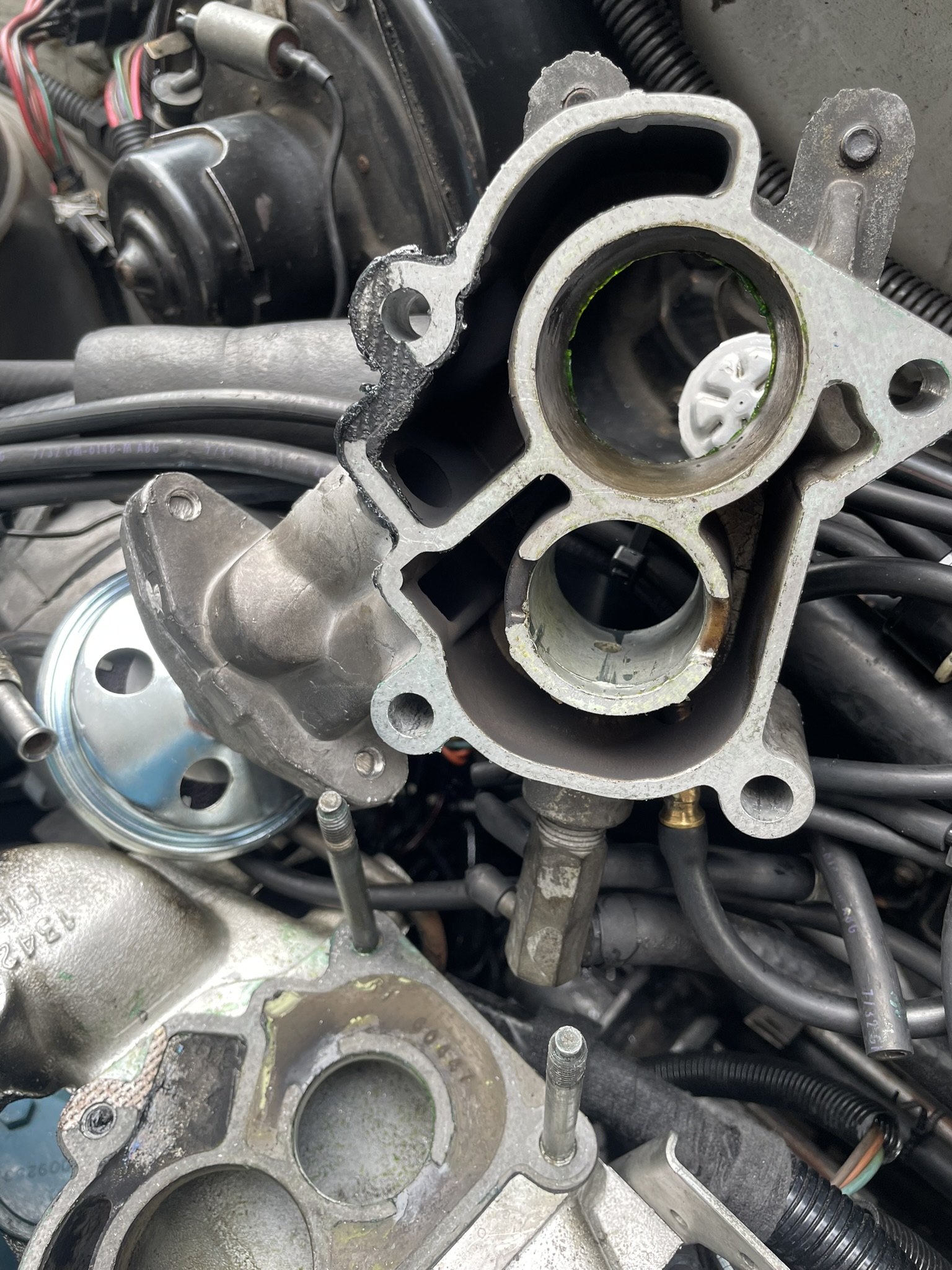
But the car run for almost 12000KM's reasanable properly til it started running misarable. So i demounted the carburator and discovered that the EGR adaptor wat torn and full of rubbisch. Bought the same and i fell in to trouble. Bought even a new carburator because the idle traject was stuffed.
In books and workshop manual i see only the manifold i have so i lost it completely????
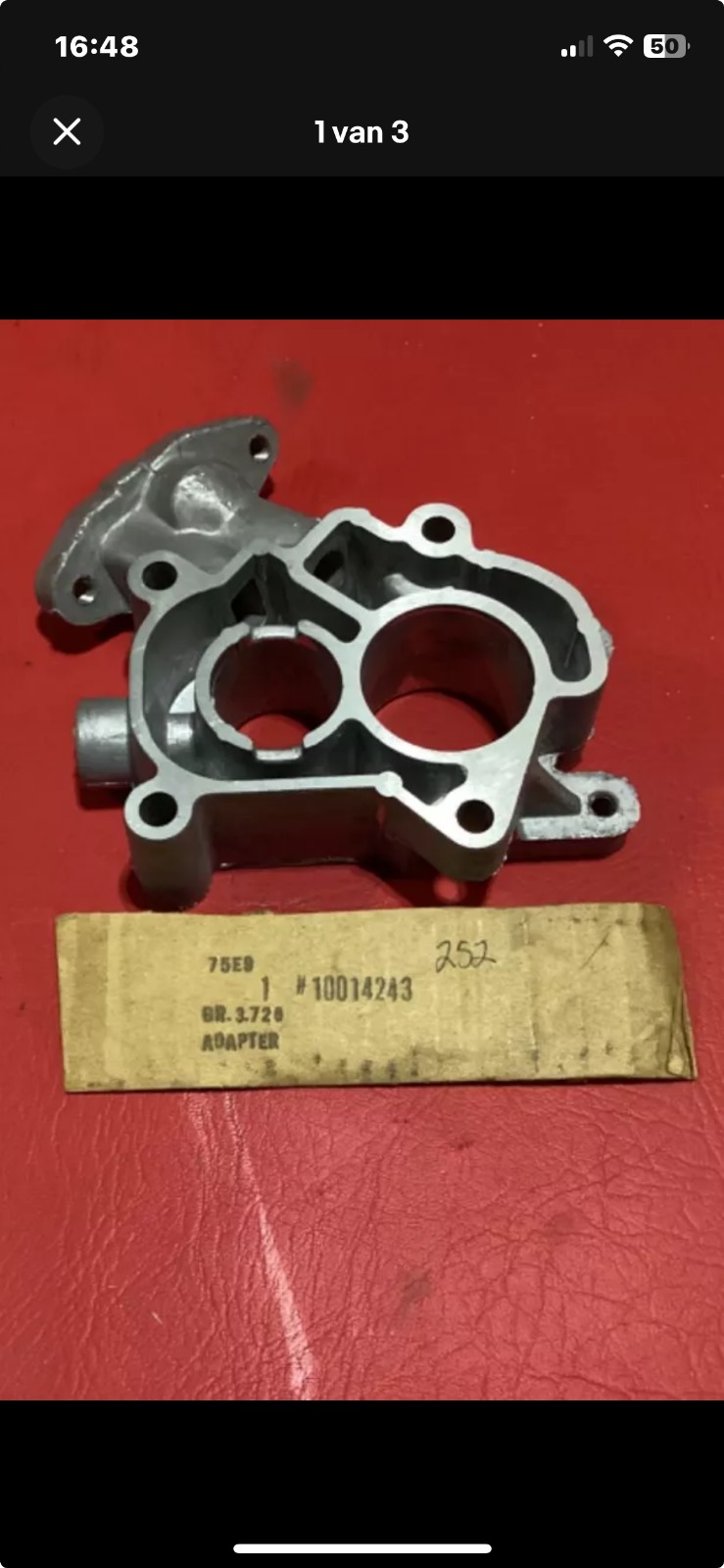
old EGR bracket
Best thing to do i know but in this situation, any idea's?
[This message has been edited by Yor61 (edited 05-22-2024).]
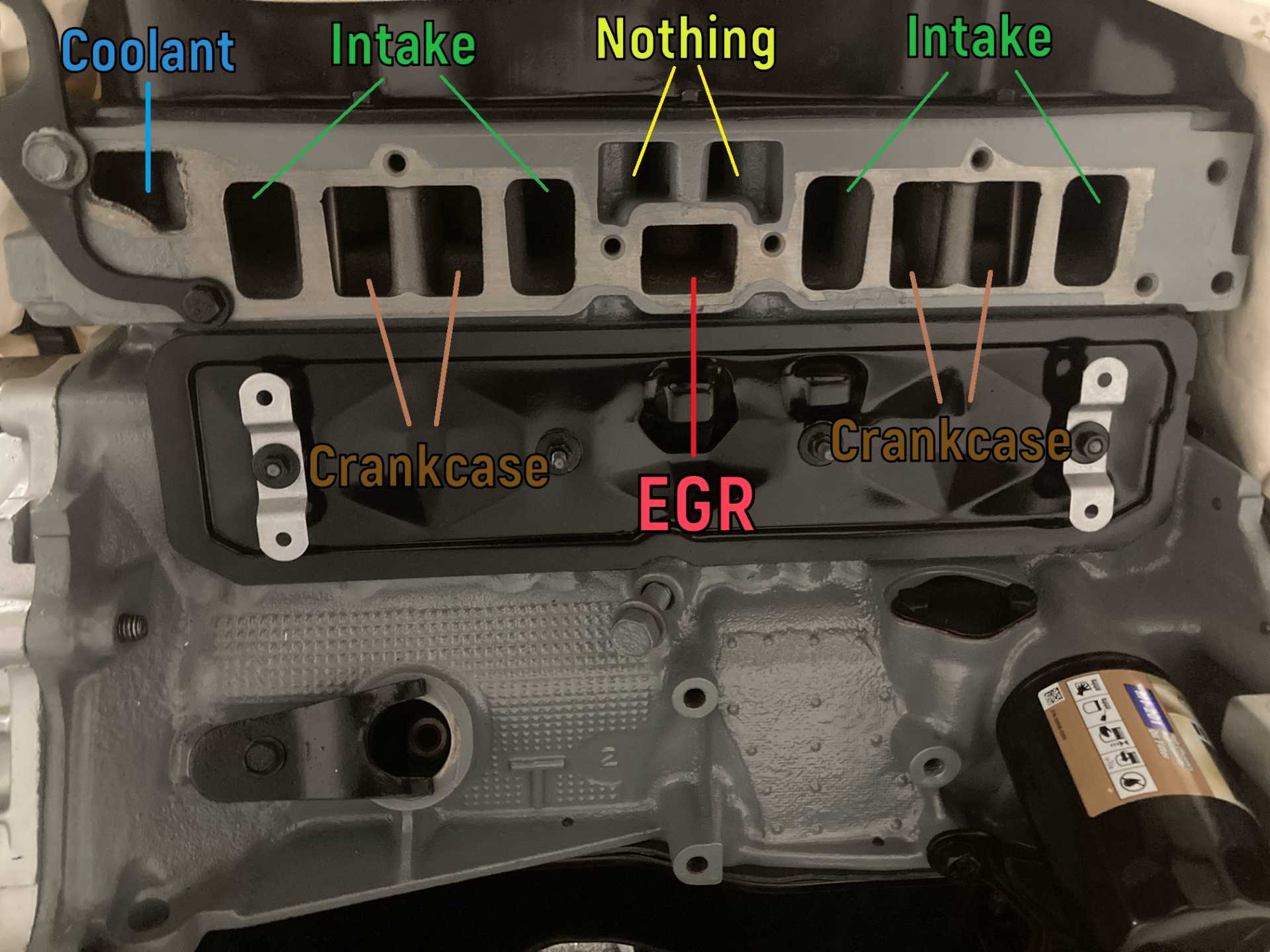
And to be clear, the "nothing" above the EGR port... those are just two impressions. They don't need to be covered when the intake is on. It's just part of the casting. They don't connect to anything and are left exposed.
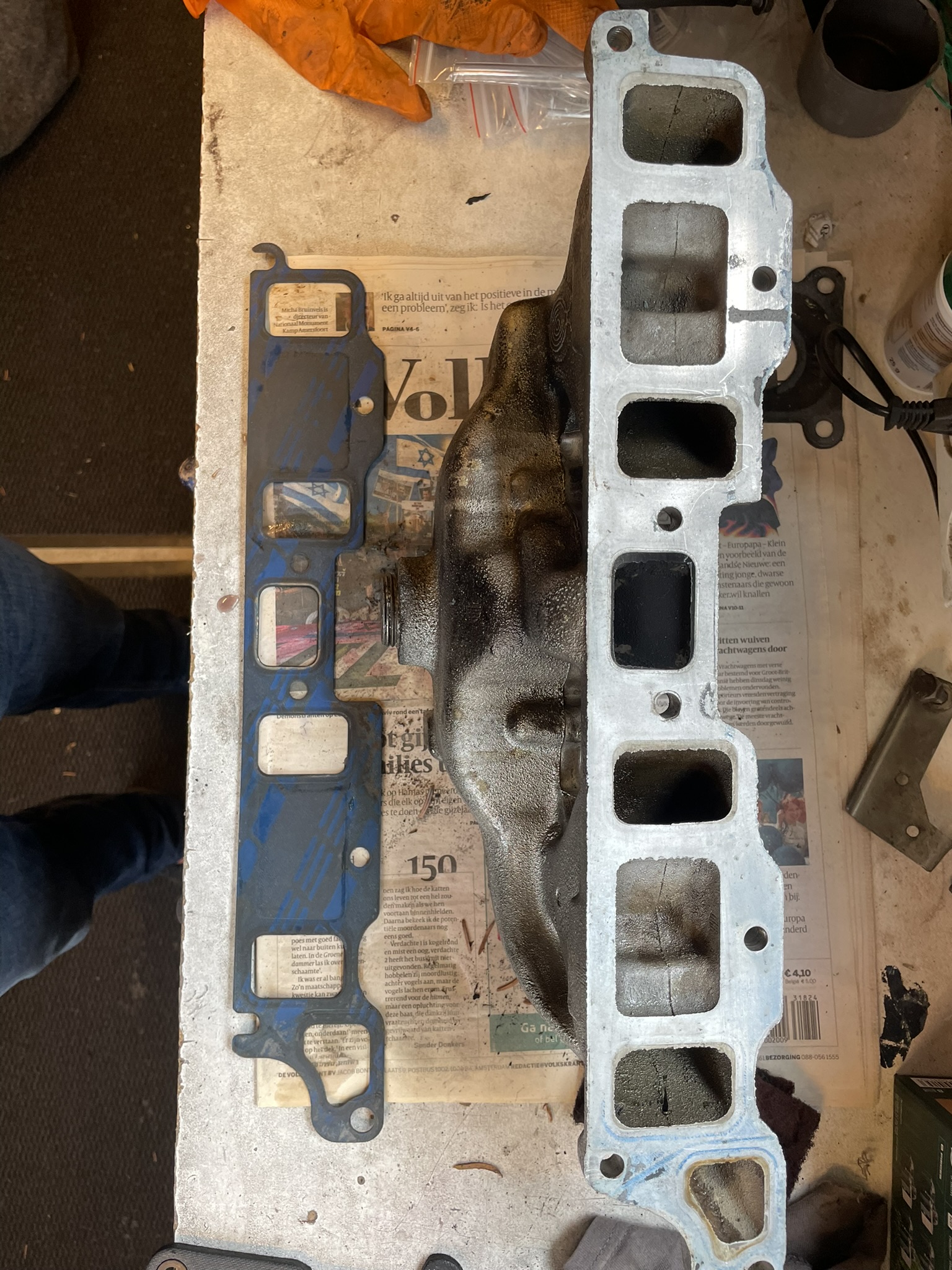
O ok thanks, so it can be the inlet manifold gasket? wich i resently renewed, unfortuanly.
If i spray break cleaner in the neighborhood of the manifold it starts to run better. But i'm not sure if it is the gasket or something else.
I replaced plugs and cables. I can change the ignition timing and screw up the throtle screw but no succes. The engine stil runs irregular and plfs in the exhaust.
The car has no motor mangement so it should be not that difficult..........
There is a alu tube between the valve cover and carburator. What is the function of that?
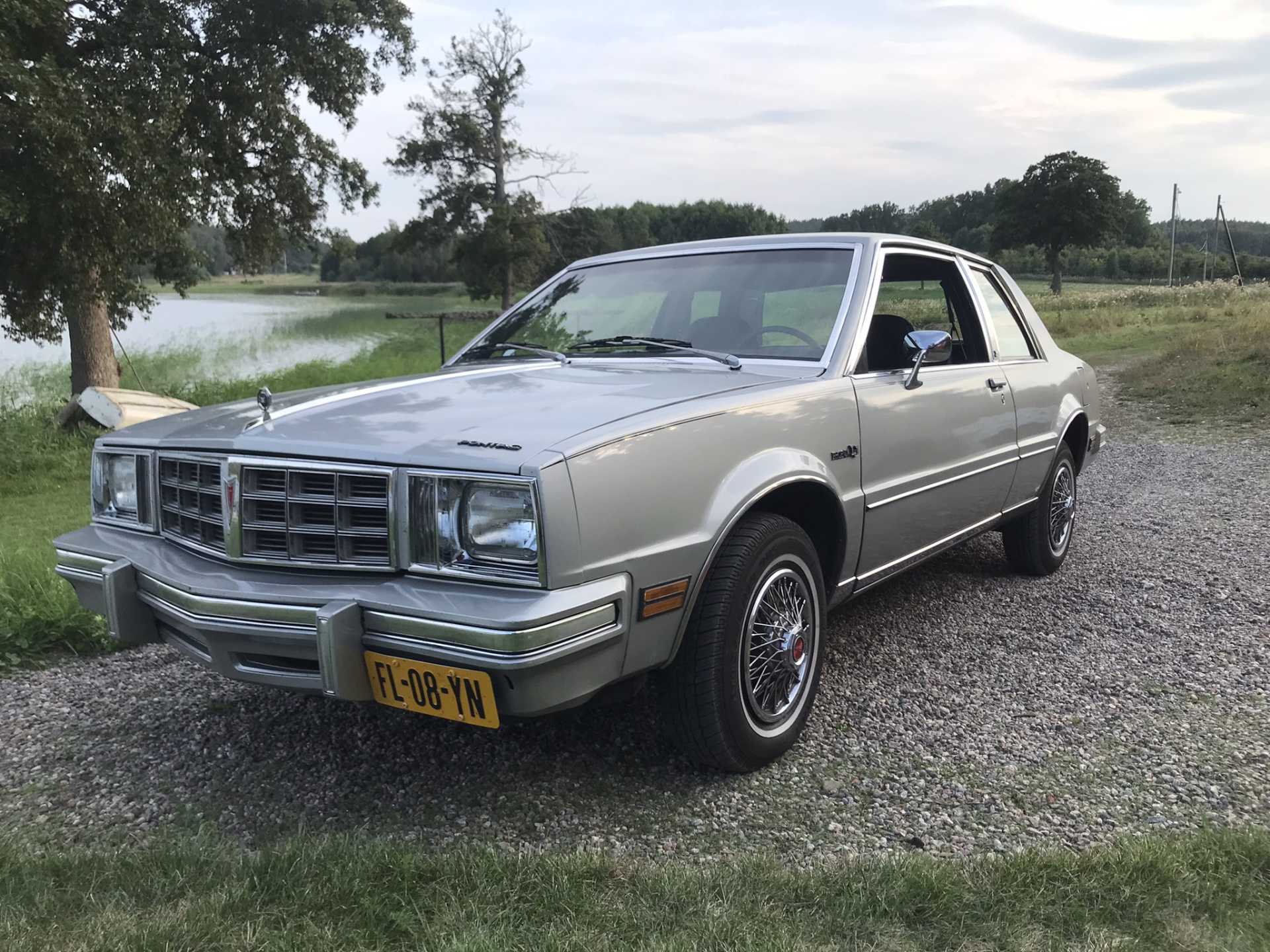
I'm very happy with my car. It is an original dutch car. Came of the boat in 1980 at Rotterdam. I bought is in december 2019
O ok thanks, so it can be the inlet manifold gasket? wich i resently renewed, unfortuanly.
If i spray break cleaner in the neighborhood of the manifold it starts to run better. But i'm not sure if it is the gasket or something else.
I replaced plugs and cables. I can change the ignition timing and screw up the throtle screw but no succes. The engine stil runs irregular and plfs in the exhaust.
The car has no motor mangement so it should be not that difficult..........
There is a alu tube between the valve cover and carburator. What is the function of that?
I'm very happy with my car. It is an original dutch car. Came of the boat in 1980 at Rotterdam. I bought is in december 2019
First off... that car is so awesome... it is PRISTINE!!! So nice looking.
Also, my dad is Dutch, still has his accent after 60+ years of living in the United States. I'm going there next month too... going to see all the awesome sites and get me some pofertjes, siroopwaflens, and a big-ass ricestaffle! So I'm really looking forward to it!
But on your issue, this is key here:
"If i spray break cleaner in the neighborhood of the manifold it starts to run better."
This is definitely an issue.
A member Patrick on here keyed me onto a new product that I'd never heard of. Permatex 80019 Aviation Form-A-Gasket
I have a little pitting on my daughter's intake manifold because we accidentally left it in really heavy-duty engine degreaser and it kind of ate away a little bit at the aluminum. You'll want a good intake gasket, but will also want to coat it with RTV sealant (or the Permatex stuff). When I install intake gaskets, I will typically put on some gloves and put the RTV on my fingers, and then work it into the gasket. I don't gloop it on, but just coat the gasket with a fine layer of RTV on both sides. This has always worked well for me because when compressed, it fills in all the little gaps.
There is a alu tube between the valve cover and carburator. What is the function of that?
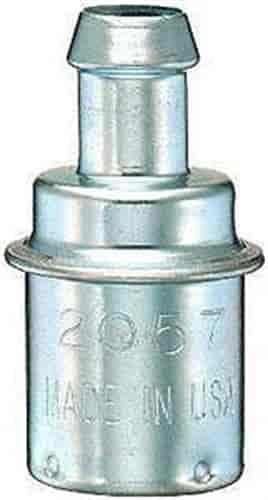
Sorry, I forgot to respond to this. The aluminum tube between the valve cover and the carburetor is for the "Positive Crankcase Ventilation." As the engine gets older, you may get some "blow by" in which gasses escape past the piston rings into the engine itself. If the engine was totally sealed off, it could blow out things like the oil pan gasket, etc... and cause leaks. So, they installed what's called a PCV (Positive Crankcase Ventilation" valve... which should look something like this:
This prevents air from being sucked in there, but allows air to escape when there's pressure within the engine itself (like in oil galley, under the crankcase, etc.). The carburetor sucks it back in and then sends it back through the engine to get reburned... it also helps with emissions. ... also, another thing which I just thought to mention. When you spray brake cleaner at the intake... and the engine runs better, what that typically means in a more obvious sense is that you have a vacuum leak... which could also be from some of the vacuum lines too. But what it's scientifically meaning is that the engine is getting more air than fuel (which is because of the vacuum leak), and when you spray the brake cleaner... you're adding back some of the "fuel" it needs along with reducing some of the air. It explains why it starts to run better.
Thank you very much for youre nice reply. Say hello to the dutchman I'm from The Haque.
I mounted the gasket without any gasket pasta so there is maybe a reason for leakage.
When i came from work this afternoon (because when the car drives it rides lovely) i took the carburator and the whole manifold from the engine.
It is very diffucult to see if the gasket is been leaking to be honest. Carburator gaskets are allright i think and the EGR bracket gasket looked ? ok.
Tomorrow i buy proper gasket pasta and put everything back on and then it has to be ok i think.
That image is quite helpful, as it rules out those Nothing "holes" in the center of the head as being some sort of open ports.
quote
Originally posted by Yor61:
Tomorrow i buy proper gasket pasta and put everything back on and then it has to be ok i think.
"Gasket pasta". I love that. Sometimes Google Translate comes up with great terms.
But yeah, I suspect you simply have a vacuum leak somewhere, and hopefully an application of Permatex Aviation Pasta® (or equivalent) to the gasket surfaces will resolve the issue.
[This message has been edited by Patrick (edited 05-22-2024).]
Thank you very much for youre nice reply. Say hello to the dutchman I'm from The Haque.
I mounted the gasket without any gasket pasta so there is maybe a reason for leakage.
No problem man, best of luck, and don't be a stranger on here when you fix it.
quote
Originally posted by Patrick:
That image is quite helpful, as it rules out those Nothing "holes" in the center of the head as being some sort of open ports.
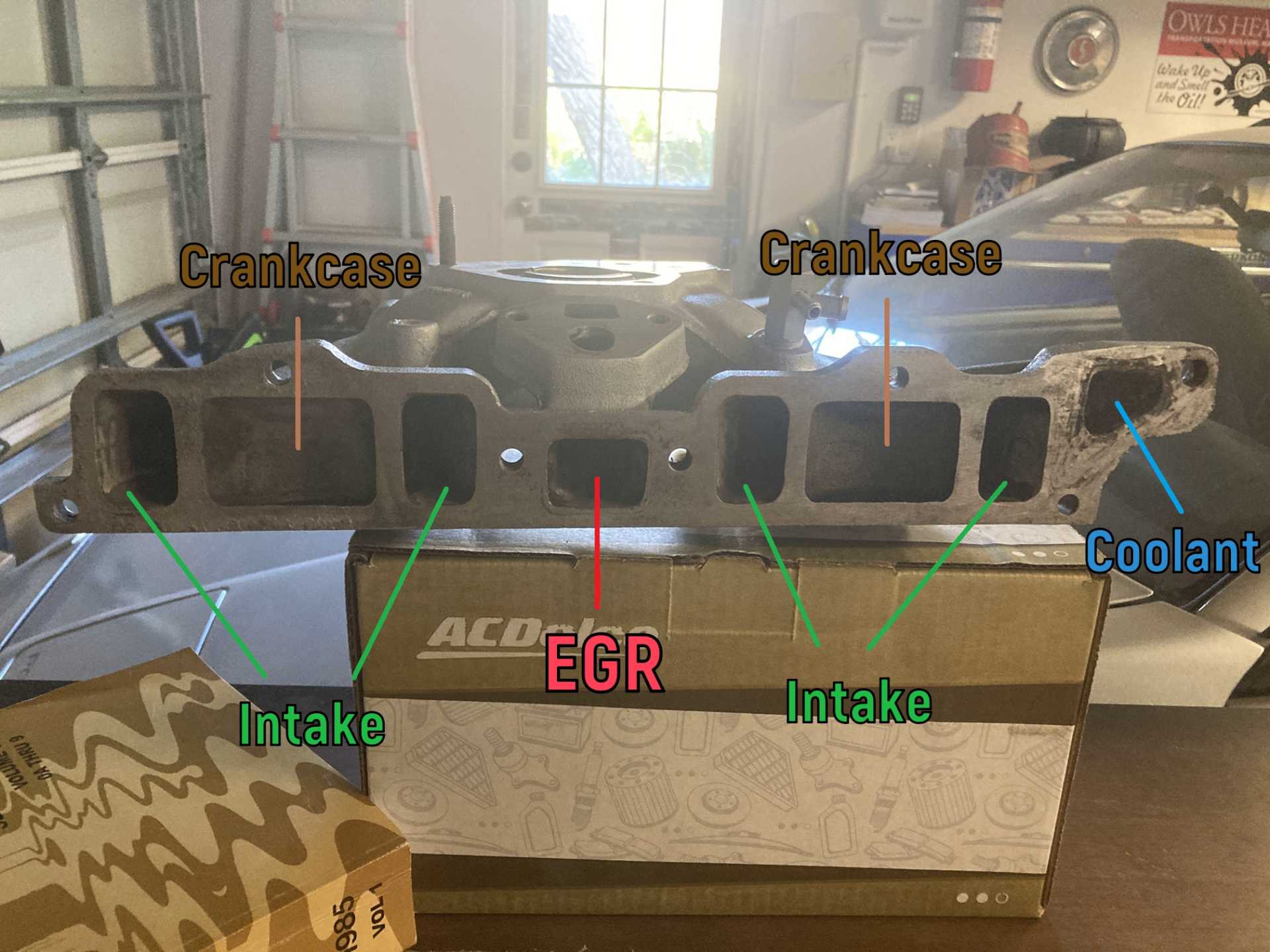
Patrick, did you see what I did? I totally screwed it up. I put "exhaust," but those sure as hell aren't exhaust ports. They're intake ports... and really the two nothing ports on the left and right are open to the crank case (you can see at least two pushrods in there). The nothing in the middle is still right, but I got everything else wrong... haha... and I forgot to label the cooling port, even though I have a blue line. I was doing it while I was in a meeting, so I wasn't giving it my best. I'll fix them and swap out the images.
I felt an obligation to make myself heard again partly because I am still not satisfied despite what I have done!
Namely: long story short, complete engine overhaul (cylinders were past the max tolerance) and gas built in! Cilinderhead is prepared for riding on gas. Starting on gas (cold specially and when it’s cooled down for a couple of minutes) is not easy. Gas piece is mounted on top of the carburettor. Gas is system is checked and adjusted. On gasoline, the car stops (drops dead) when driving away. Ignition is a little later because of driving on gas. Maybe this is something.
Vacuum system cut off incl EGR valve. If the car drives, both on gas and petrol, the car drives ok. The rochester carb is a dragon of a carburettor.
Roy, welcome back. Just to clarify... when you say "gas", are you referring to natural gas (or propane)? Here in North America, we use the term "gas" as an abbreviation for gasoline.
Roy, LPG (Liquefied Petroleum Gas) use for cars here in North America is relatively rare. You're not liable to hear from very many forum members residing in the US or Canada who've had experience with it... but you never know!
The picture is not my engine but excactly the same as i have. The yellow square is the issue. I have a an emision bracket on the inlet manifold under the carburator where the EGR is mounted on but don't have a cover for over the holes/inlets. If its mentioned to be so i don't know.
That's just a normal casting, they are not holes, just empty cavities. It's how they are
















 I'm from The Haque.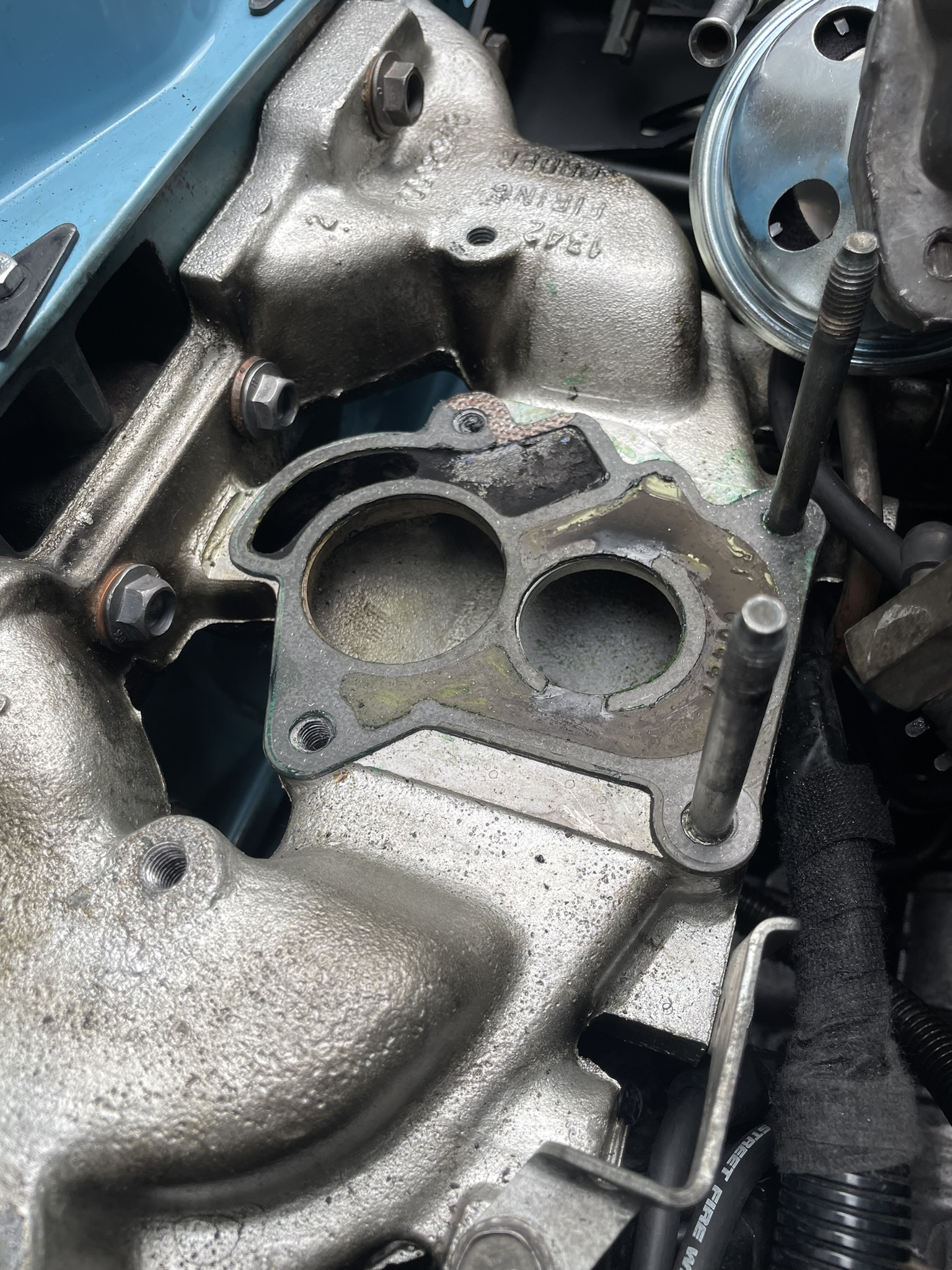

 I love that. Sometimes Google Translate comes up with great terms.