| | | quote | Originally posted by maryjane:
Tell us more Pat.
How do they get the different "blends". Classic roast--dark roast--breakfast blend-- and all the different blends ya see in a big coffee shop.
|
|
Different "blends" of coffee are created by using beans from different parts of the world (Central America, South America, Africa, Hawaii, etc), and/or roasting them different lengths of time.
Soil conditions, elevation, rainfall, and hours of sunlight all contribute to the differences in coffee beans. There's also two basic different types of coffee beans - arabica and robusta. Robusta beans are higher in caffeine and aren't nearly as flavorful as arabica beans.
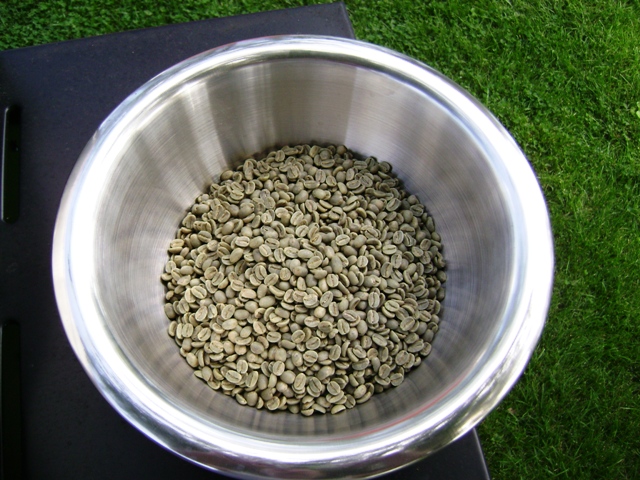
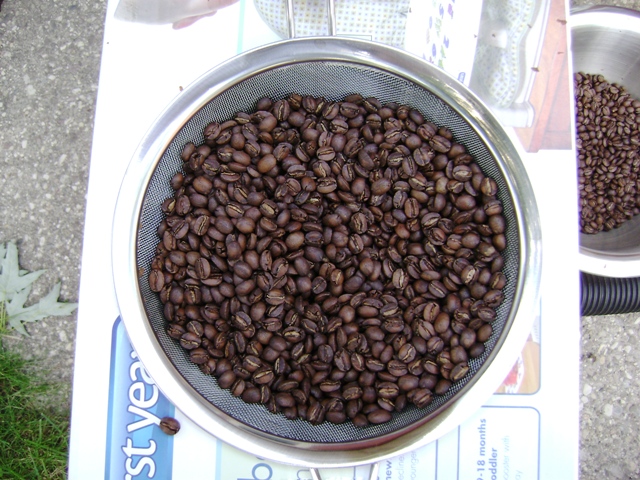
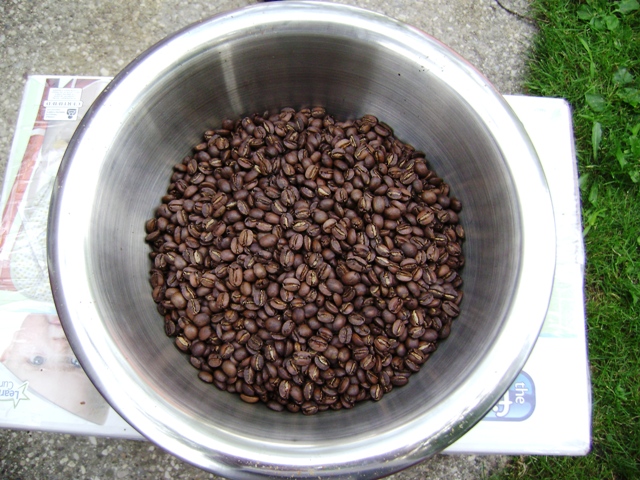
The longer a coffee bean roasts, the darker and oilier it gets as the oil comes from within. Roasted beans start off a light brown color and get progressively darker. Dark french roasted beans can be black. I hated doing dark french roasts as the smoke (from the oil burning off the beans) would be pouring out of the coffee roaster just before and during the quench cycle. You couldn't see or breathe!
| | | quote | Originally posted by maryjane:
How do you know when they have roasted long enough?
|
|
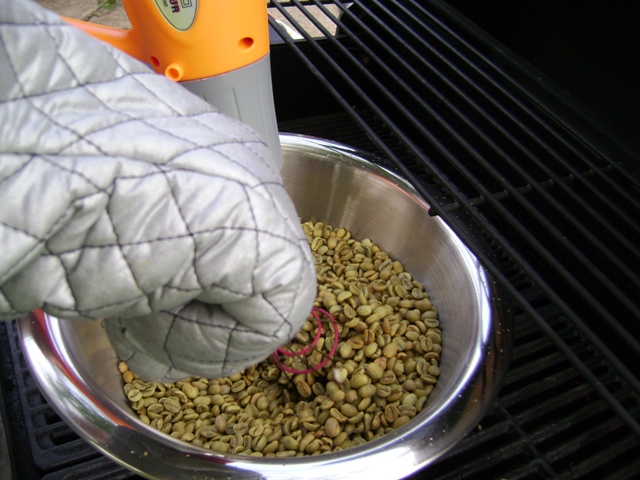
The roasters were timed, but the timing had to be set manually depending on how dark the beans were to become. At the place I learned to roast coffee, the color was determined strictly by eye. You'd have to continually be sticking a scoop into the revolving drum of roasting coffee to eyeball the color. Different types of coffee would require a slightly different amount of roasting to achieve the desired color
and taste. It was actually quite an art to do it correctly time and time again.
At the big roasting plant I eventually worked at, we had three large roasters all chugging away together. Each roaster would produce between 400-500 lbs of coffee every 15 minutes. I had to take a sample of beans to the lab from each roast to be finely ground and pressed and then measured with a light meter of some sort to determine actual color. If the color was a bit too light according to specs, the next roast would stay in for a little longer. If it was a bit too dark, the next roast would come out a little sooner. It was a helluva stressful job at the big plant, but it paid very well.
My favorite coffee of all the types I roasted? Although it wasn't the most expensive, I really liked
lightly roasted
Colombian Supremo beans. When done properly, they can be almost sweet. Roast them too dark though (like Starbuck's does), and they're ruined. The subtle sweetness is gone.
[This message has been edited by Patrick (edited 08-24-2009).]














 )
)