 
     |
| Exploded Valve Lifter: What kind of top end engine damage can I expect and check for? (Page 3/4) |

|
theogre
|
FEB 14, 11:55 AM
|
|
| quote | Originally posted by reinhart:
Thanks Ogre. Any thoughts on why the failure would be on one bank only while the other looks perfect?
"putting new filters on worn cam will fail."
What do you mean by this? Fail in what way?
I did the test you suggested of rolling one of the lifter sides on the bottom of the lifters and looks flat to me.
Do you agree I just need to change the lifters out and that's it or anything else needs replacement? |
|
"Bowl wear of 1 to all faces often means cam is worn too and putting new filters lifters on worn cam will fail."
Just what said...
If any lifters faces have bowl wear like a soup bowl then Cam Lobes have exact opposite wear shape and eat up new lifters, often very fast too.
Even if lifter faces are flat, often has problems w/ new lifters on old cams but many are lucky and drive for many years.
1 vs other bank isn't your problem and means nothing. Often is just "bad luck" happens this time to 1 bank.
You can have same Fail in just One valve anywhere causing this problem.
Any crap that plugs just One lifter or rod can cause more wear and clearance and same "blow the top" problems.
Oil that doesn't change, "Boogers" from using RTV Silicone wrong, and more can plug any small port partly or completely blocking oil flow.
Even if You use new oil that can "wash out" parts causing part to plug because flakes of crap is to big to pass thru.
And again that assuming the rocker nuts/studs having loosen the rocker pivot too. You see that in one valve to every valve to different degrees.
⚠️ make sure you put on New Intake Manifold Bottom parts Before Installing the push rods.
|
|
|
|
reinhart
|
FEB 15, 06:17 AM
|
|
| quote | Originally posted by theogre:
[QUOTE]Originally posted by reinhart:
Thanks Ogre. Any thoughts on why the failure would be on one bank only while the other looks perfect?
"putting new filters on worn cam will fail."
What do you mean by this? Fail in what way?
I did the test you suggested of rolling one of the lifter sides on the bottom of the lifters and looks flat to me.
Do you agree I just need to change the lifters out and that's it or anything else needs replacement? |
|
"Bowl wear of 1 to all faces often means cam is worn too and putting new filters lifters on worn cam will fail."
Just what said...
If any lifters faces have bowl wear like a soup bowl then Cam Lobes have exact opposite wear shape and eat up new lifters, often very fast too.
Even if lifter faces are flat, often has problems w/ new lifters on old cams but many are lucky and drive for many years.
1 vs other bank isn't your problem and means nothing. Often is just "bad luck" happens this time to 1 bank.
You can have same Fail in just One valve anywhere causing this problem.
Any crap that plugs just One lifter or rod can cause more wear and clearance and same "blow the top" problems.
Oil that doesn't change, "Boogers" from using RTV Silicone wrong, and more can plug any small port partly or completely blocking oil flow.
Even if You use new oil that can "wash out" parts causing part to plug because flakes of crap is to big to pass thru.
And again that assuming the rocker nuts/studs having loosen the rocker pivot too. You see that in one valve to every valve to different degrees.
⚠️ make sure you put on New Intake Manifold Bottom parts Before Installing the push rods.[/QUOTE]
I'm pretty good about the oil changes...synthetic every 5000-6000 miles. So I had that one collapsed lifter about 6 months ago, I wonder if the Marvel Mystery Oil released the gunk like you describe that ended up clogging up the lifters?
Regarding the "new intake manifold bottom parts" tip, what do you mean by "new"? I'm reusing the old parts except the lifters. I was thinking it would be better to do the pushrods and rockers with the lower manifold out so I can see the camshaft moving the lifters. Are you saying to install the lifters, then the lower manifold, then the pushrods, then do the rockers and valve lash? Are you saying it's not a good idea to do the valve lash with the lower intake out? Curious why that would be?
|
|
|
|
eti engineer
|
FEB 16, 09:20 AM
|
|
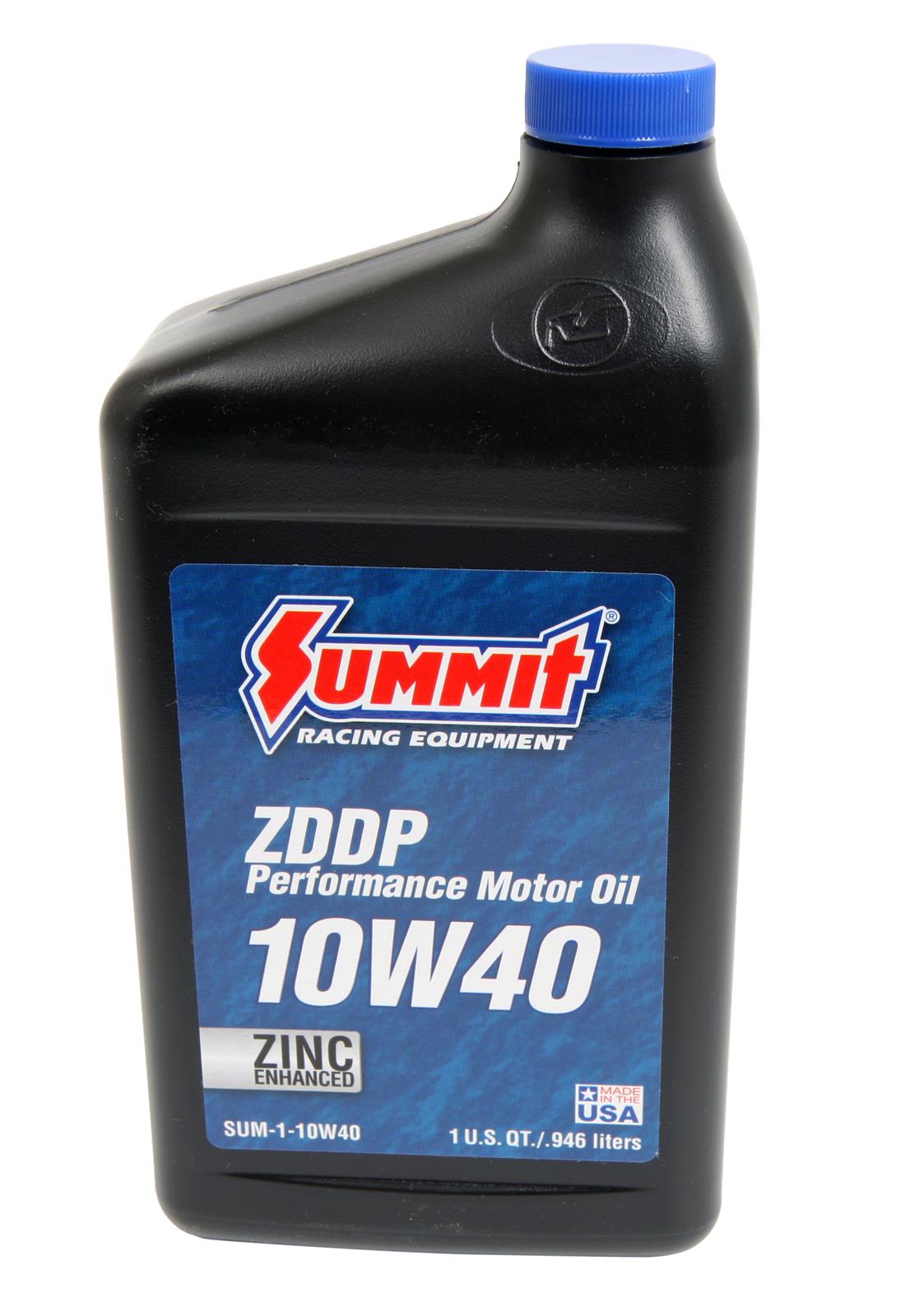
There are many makers of high-zinc oil. I got mine at the local auto parts store. They also make an additive that you can use with regular oil. The oil I got had a flag on the plastic bottle that said "HIGH-ZINC". Below is something I pulled from the internet that explains the use of zinc in break-in. There is a lot of info on this if you want to research it. I don't know if I have an extra bottle of the oil I used, but if I do, I will take a pix of it and post it here.
What is high zinc motor oil?
Engine builders and gearheads typically use high-zinc and high-phosphorus (ZDDP) motor oil to offer extra protection for flat-tappet cams, lifters and other components during break-in. AMSOIL Break-In Oil, for example, contains 2,200 ppm zinc and 2,000 ppm phosphorus.
ZDDP anti-wear additives are heat-activated, meaning they provide wear protection in areas of increased friction. In this case, it’s at the cam lobe/tappet interface. The additives form a sacrificial layer on part surfaces, which absorbs contact and helps prevent cam and tappet wear. That way, your engine makes maximum power and lasts as designed.
| quote | Originally posted by reinhart:
What brand of oil has high zinc? I've never noticed any stating they have it. Alternatively I do remember hearing something about being able to add a zinc additive. Any recommendations on high zinc oil brands or additives?
Also I'm curious what the zinc actually does differently as far as engine wear. Any info on that? |
|
[This message has been edited by eti engineer (edited 02-16-2022).]
|
|
|
|
reinhart
|
FEB 17, 02:23 AM
|
|
|
Thanks I picked some high zinc oil up.
|
|
|
|
Skybax
|
FEB 17, 09:11 AM
|
|
Can of worms here with oil, and as much as I would like to write up a long detailed post of all the data, I only have time to briefly touch on a few bullet points...
- High zinc phosphorous oils (1200 to 1500 ppm) are generally used for older engines (pre-1975) with flat tappet camshafts to prevent wear
- Generally speaking, these oils with higher levels are more relevant with higher performance engines
- Popular quality oils with high levels are Valvoline VR1 and Penn Grade 1, previously known as Brad Penn and Kendal GT1 in the 80's (green PA crude)
- As roller camshafts came into being these higher levels were less important
- As catalytic convertors came into being they discovered those high levels were harmful to the convertors
PS: Side note, this is where things get tricky with an 80's car like the Fiero where the 2.8 V6 has a flat tappet camshaft AND and a catalytic convertor. Because the 2.8 V6 is not a high performance engine/camshaft you don't need 1200 to 1500 ppm AND that would also be harmful to the convertor over time. However, most modern oils being sold today (synthetic or dino) the levels are too low for an old flat tappet cam motor, so the balance is in-between. I posted some info recently...
Here: https://www.fiero.nl/forum/...HTML/145483.html#p20
And here: https://www.fiero.nl/forum/...HTML/145483.html#p25
...because that is one of the few oils out there that fits the old 2.8 V6 narrow criteria and hits all the check marks, has additional benefits for people still running their original 2.8 V6, and its one of the better oils on the market, making it an ideal oil for an old 2.8 V6. (most other oils will be lacking in one area or another)[This message has been edited by Skybax (edited 02-17-2022).]
|
|

|
theogre
|
FEB 17, 08:22 PM
|
|
Fiero and most other in 80's call for API SF/CC oil.
Read the owner's manual. Is likely online somewhere...
Many "High Zinc" oils fail to meet SF because of Sky High Zinc and more. Often have High to Very High levels of Phosphorus too that also kills the cat.
Oil type did Not cause the above problem.
My posts above covers most except 1...
Simple: No-one adjusted the valves in 100,000+ miles and some lifters failed as parts worn some.
Often OE parts are Not made or adjusted exact same and have a tolerance... Some parts are @ high in that range and others set low in that range.
Parts don't wear the same either in 100,000 miles or more even when has right API oil for the engine.
|
|
|
|
pmbrunelle
|
FEB 17, 09:33 PM
|
|
If I wasn't sure how much zinc/phosphorus to run, I'd err on the high side.
A poisoned catalyst is a simpler/cheaper fix than wiped lobes/lifters.
|
|
|
|
La fiera
|
FEB 18, 12:00 AM
|
|
|
|
|
La fiera
|
FEB 18, 12:08 AM
|
|
| quote | Originally posted by reinhart:
|
|
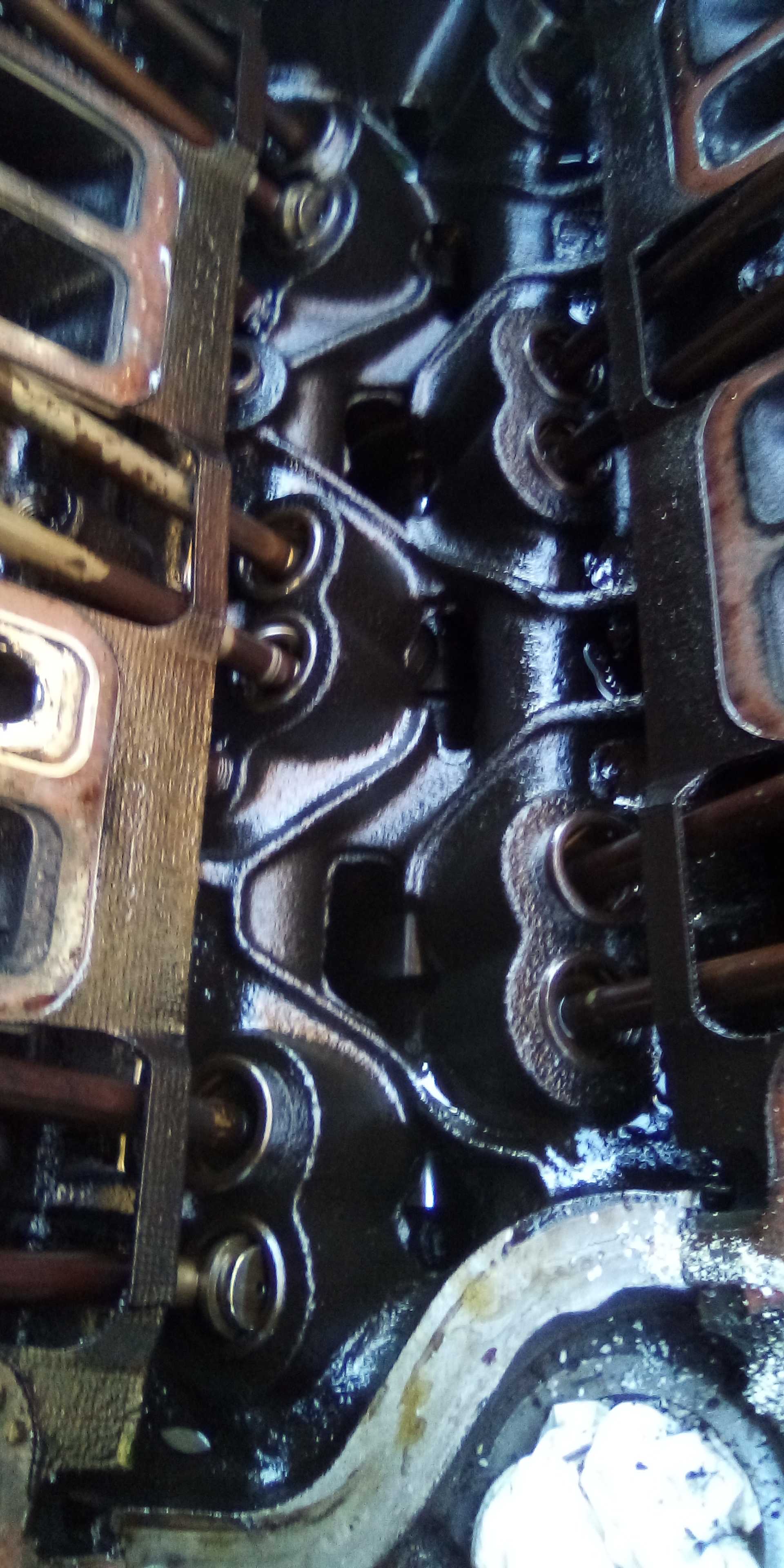
The problem here is that the oil pressure overcame the circlips holding capacity. You can replace the wimpy wire clips with real snap rings. If you look at all the Hi Performance lifters they use snaprings, not wireclips.[This message has been edited by La fiera (edited 02-18-2022).]
|
|
|
|
reinhart
|
FEB 18, 01:37 AM
|
|
Here's the update:
Got all the parts I need to finish the job. I've got the lifters and push rods installed, the valve lash lashed, and the lower intake back on. Spent about two hours just cleaning caked on oil off the valve covers and other pieces.
Also I checked the lifter travel in order to determine the state of affairs with the camshaft. It seems like everything is in order. I paid special attention to #6 exhaust and others that were acting up and the lifters seemed to have as much movement as the other healthy lifters do. No abnormal wear that I can see or decreased travel.
Regarding the thicker lifter clips, yes that would have prevented the catastrophic failure of the lifter, however, as someone pointed out earlier, the valve lash should have been adjusted enough to allow for wear without the lifter ever topping out and touching the hold clips.
I've been thinking more about the failures all in the front bank. My theory now is I think it started with 1 lifter collapsing (#6 exhaust). The collapsed lifter tapping caused vibrations in the front head which resulted in the rocker nuts backing out on most of the rockers. Once they backed out enough and started contacting the clips, disaster was sure to happen. The rear bank is all perfect, I could have reused everything in that bank especially the lifters. There was a good amount of valve lash there as opposed to the front bank where it seems like even the ones that hadn't totally failed were on the cusp (getting crooked, etc).
Looks like the front valve cover grommet is leaking, anyone know if there's a "Help!" item for that I can buy?
Also I noticed that fuel line that goes from the fuel rail to the lower manifold can easily be rotated around. Is that normal? What kind of connection is this that it can hold pressurized fuel and be that flimsy?
|
|
|
|