 
     |
| Bringing a 88 Fiero Back to Life with a LFX Swap (Page 12/15) |

|
zkhennings
|
FEB 19, 04:46 PM
|
|
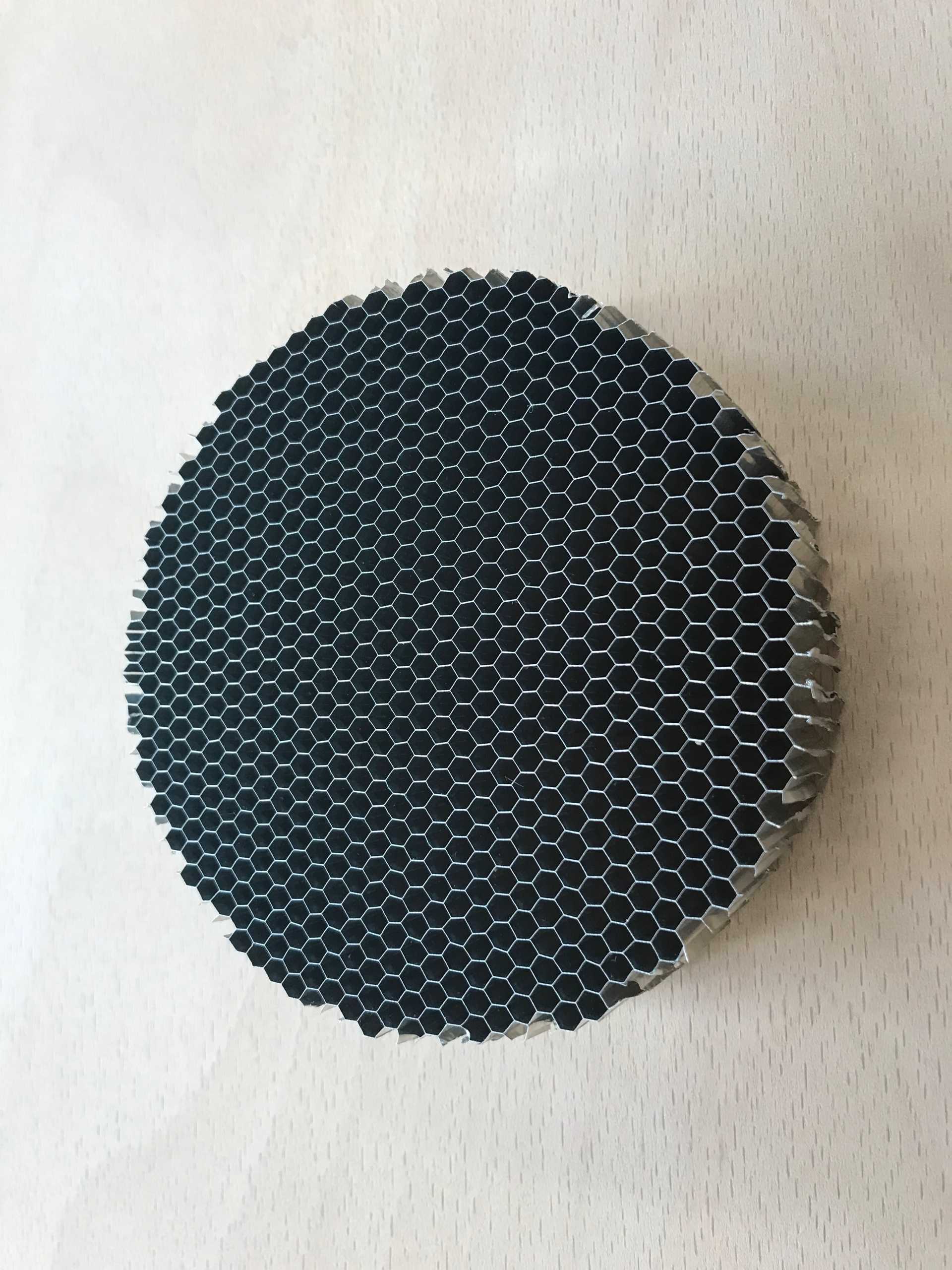
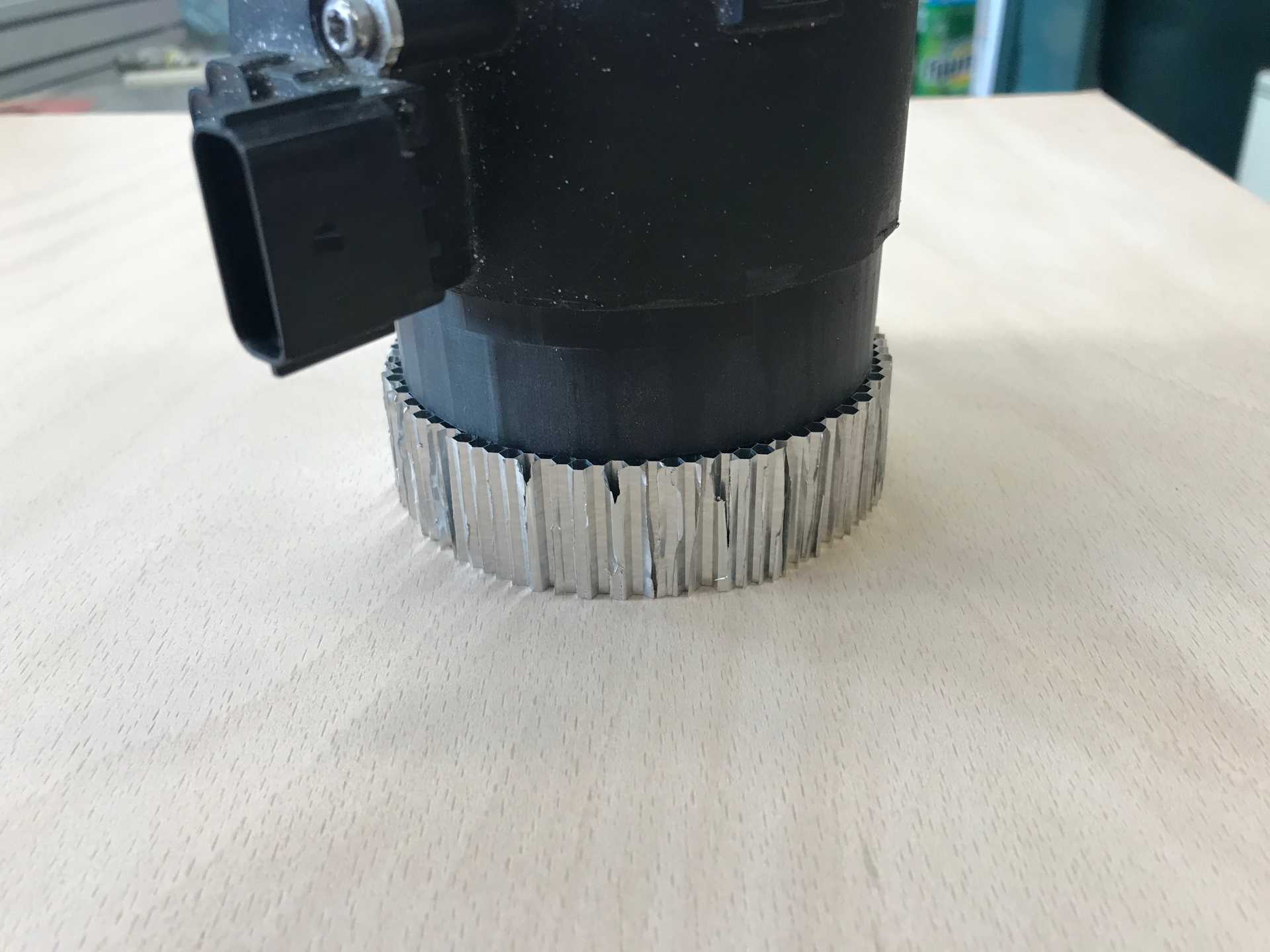
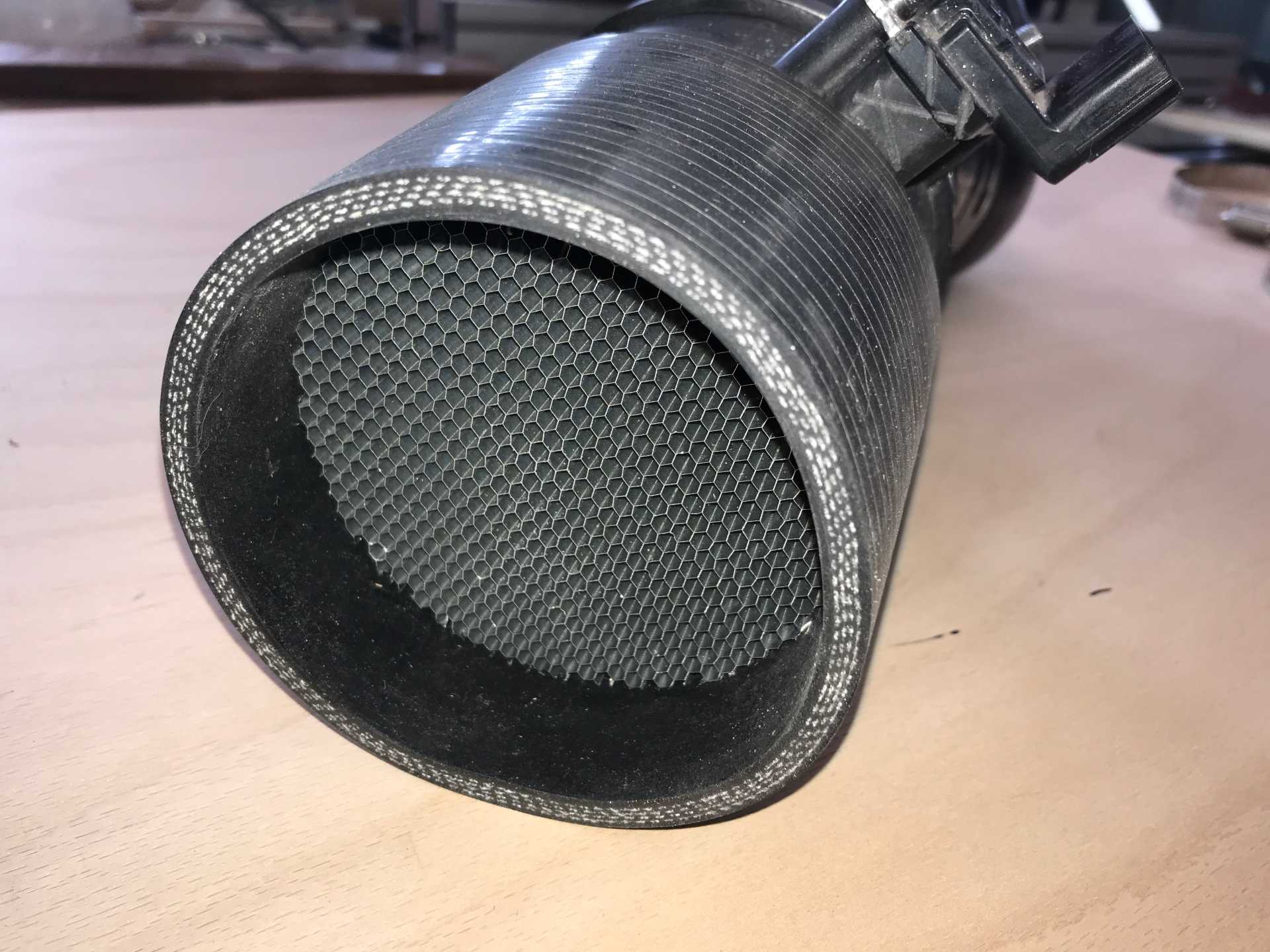
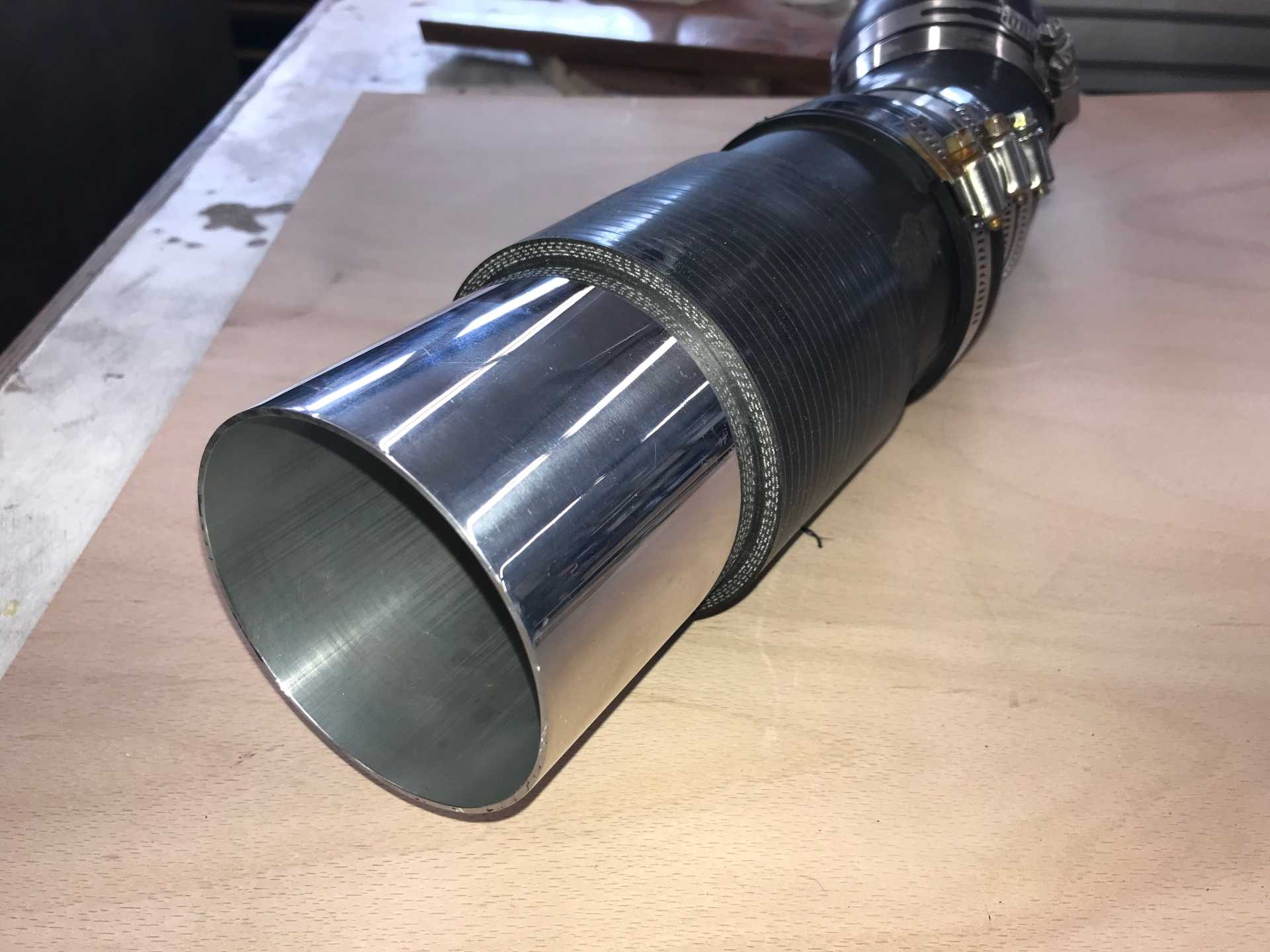
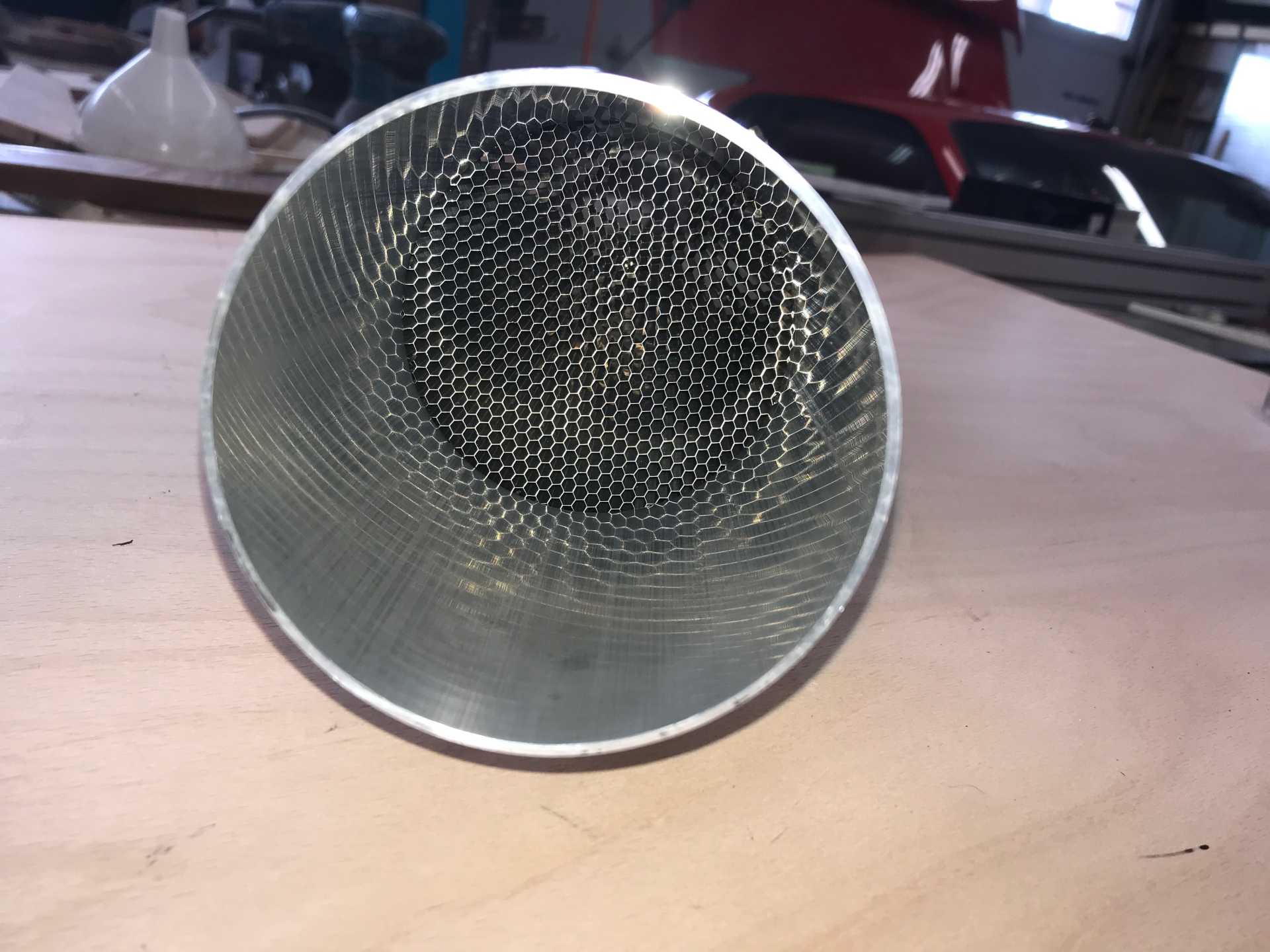
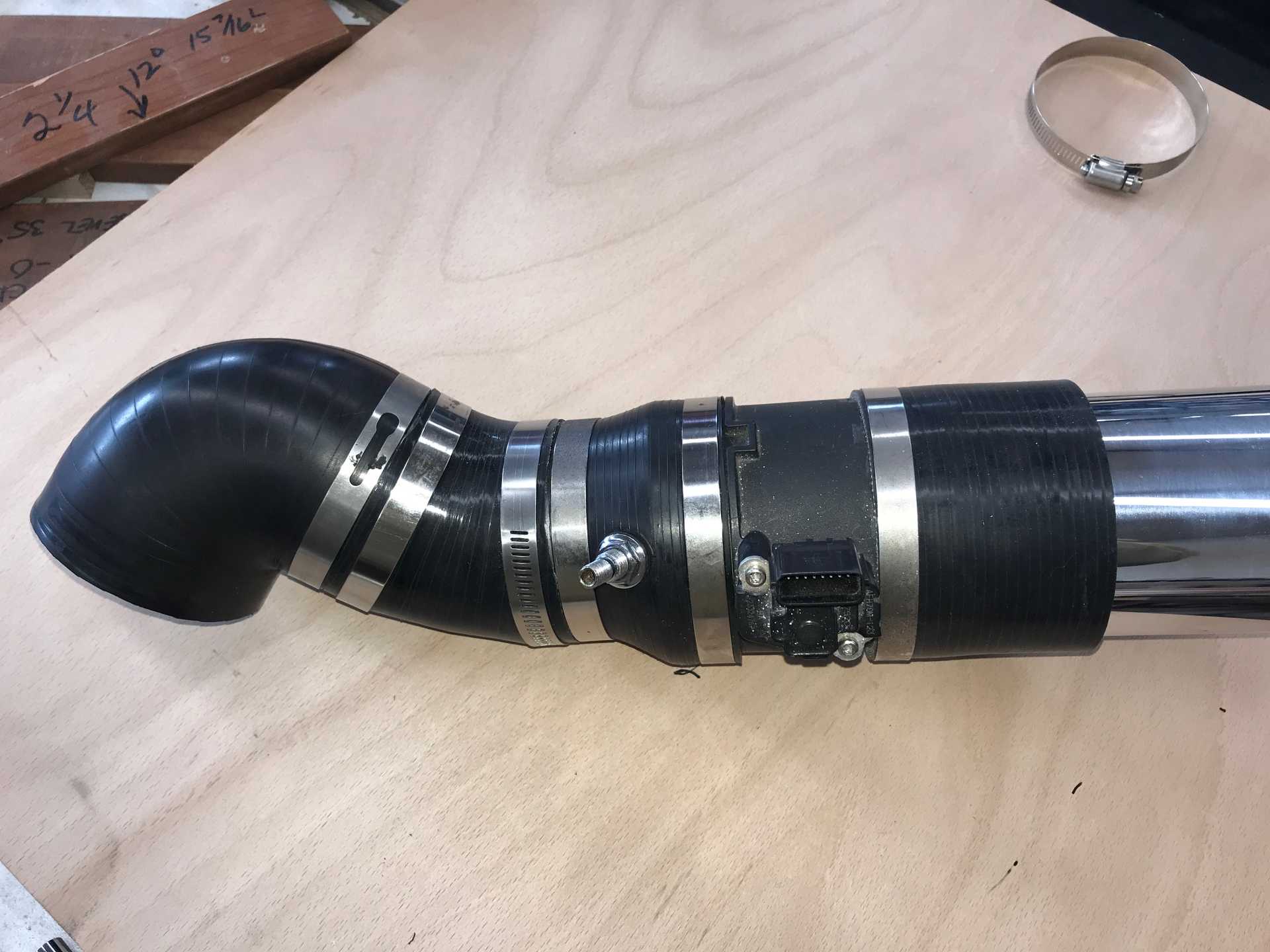
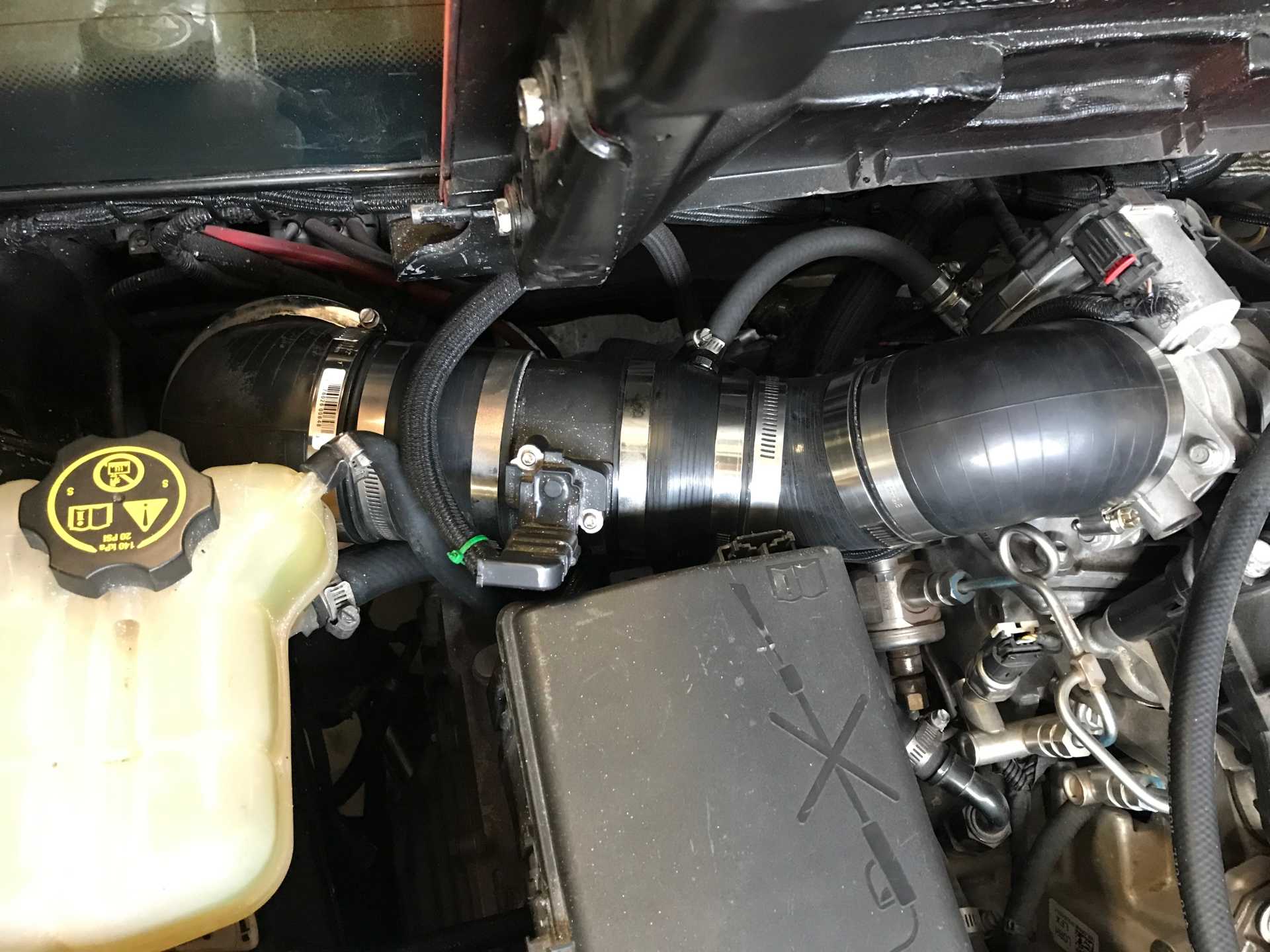
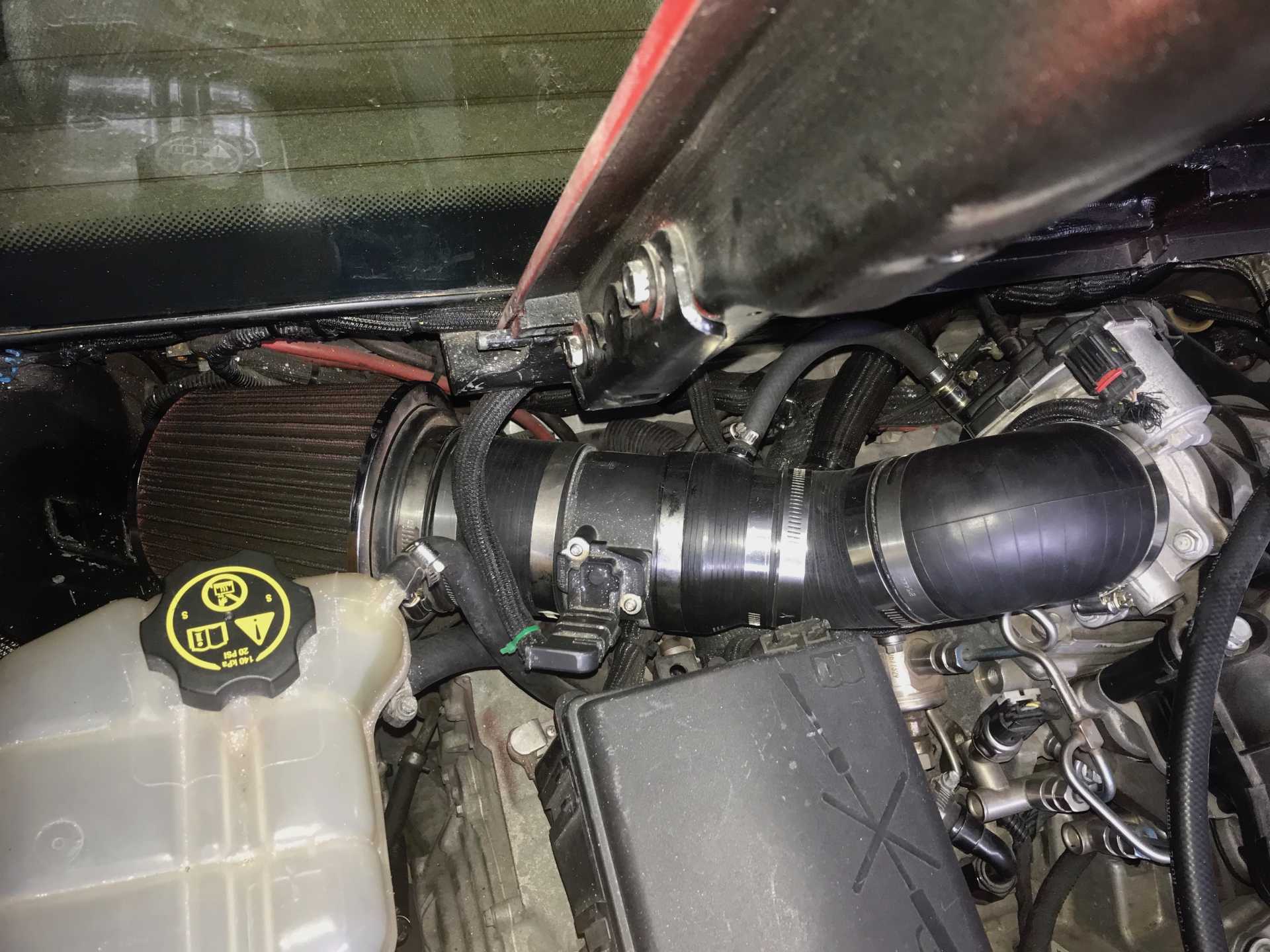
The air coming out of the stock airbox is very laminar compared to a cone filter. On my WRX, going to a cone filter requires a full re-scaling of the MAF voltage to mass of air table. The aftermarket filter is identical ID to stock and has massive flow straighteners, and the cone filter is dead straight in line with the MAF and it even has a velocity stack at the entrance of the MAF tube to prevent any turbulent airflow.
So not only is a MAF very sensitive to any unmetered air entering it, but going away from the stock setup, even if maintaining the same ID tubing, still can require some MAF re-scaling to run as good as stock.
|
|
|
|
MikesFirstFiero
|
MAR 11, 08:11 PM
|
|
|
|
|
Will
|
MAR 12, 12:01 PM
|
|
Now that you have the air filter straight, do you even need the flow straightener? 
Good results![This message has been edited by Will (edited 03-12-2023).]
|
|
|
|
La fiera
|
MAR 12, 09:28 PM
|
|
|
So what the straightener does is convert turbulent flow into laminar flow so the MAF has a steadier air flow. All those little holes in the honeycomb will drop the air pressure and increase the air's velocity so the MAF can have a linear airflow to use as a means to use the ECU's given calculations for that specific laminar flow. Once that laminar flow gets altered in any way, lets say the honeycomb is removed or installing a honeycomb with wider hexagons, like ZKennings said earlier, a re-tune of the MAF scale will be needed.
|
|
|
|
zkhennings
|
MAR 16, 10:42 AM
|
|
I am so over MAFs, sensor gets dirty, tiny leaks cause havoc, SD FTW.
Great you got your setup working! You should have a 2D MAF scale table, if you are able to tune it and have a wideband O2, you can log your commanded A/F ratios vs actual A/F ratios, and seeing as the rest of your motor is stock, any discrepancy will be in the MAF scale table being off, it is just MAF Voltage vs Airflow. You can plot the values against each other and use the % differences to adjust your MAF table by the same % at the correct values and you will be in business.
This works best if you can command the ECU to stay in open loop operation so there is no adjustment of the fueling and you can see how far off your MAF scaling truly is. On my WRX I change the value that open loop starts at, stock it is set at 13.6:1 commanded AFR values, so basically if you are driving and your load/rpm increases and your AFR table is commanding an AFR of 13.6 or below, it will switch into open loop. Otherwise the O2 sensor will adjust fueling to keep AFRs at 14.7:1 when cruising. In my ECU the max value you can command is 14.7 for the transition, I set it to 14.7 and I change any cells in the AFR table that are set to 14.7 to around 14.5, then the car is always operating in open loop, but you still have the wideband recording your AFRs for logging purposes, while simultaneously not adjusting the fueling based on its output.
It is not that hard once you are familiar with your different tables, I am not sure how tunable your ECU is, but this will return your factory drivability. Also I think you should have a wideband O2 as a factory sensor, if not you would have to add one.[This message has been edited by zkhennings (edited 03-16-2023).]
|
|
|
|
MikesFirstFiero
|
MAR 16, 07:52 PM
|
|
Will, I had the same thought about needing the flow straightener. Having all the troubles without it I'll leave it in place. The parasitic losses are probably small and the reduction in cross section is minute. The honeycomb layers are only 0.0025 and 0.005 thick. It hasn't done anything wrong after another day of driving. I'll wring it out on a lonely road soon.
And my fuel gauge now really tells me when I am empty. One win at a time.
I've not looked at the ECU tables at all. My reader is a Harbor freight ZR11 which does display some real time data but AFIK does not modify anything. To add to that issue my drivetrain is a 2018. The ECU and maybe TCU & BCU are VIN locked. I don't know if messing with the tables would disturb that or if there is some checksum or CRC on any/all tables that would need to altered if the data values are modified. When I worked on embedded controls we did the same thing as in the ECU; data was stored in tables and there was a checksum that needed to be correct or the elevator would not run other than in an inspection low speed operation. We did it not to keep others out but to insure that if something changed due to unknown reasons we would know about it and find out why.
If any of the experienced folks know of tuning tools that would allow parameter changes and the removal of DTCs I would be grateful for the info.
I've also completed refinishing the interior center console panels and window switches so they can now go back in place. Next up are the wheel alignment and touching up painting dings & errors before putting a new clear coat on.
Again I do appreciate all the advice provided, it continues to be a great help.[This message has been edited by MikesFirstFiero (edited 03-16-2023).]
|
|
|
|
fieroguru
|
MAR 16, 09:27 PM
|
|
Looks like the 2017-2018 Impala with 3.6L is supported by HP Tuners. You might want to call them with a list of codes and things you want to change to verify their software can do it.
https://www.hptuners.com/vehicles/gm-tuning/
|
|
|
|
MikesFirstFiero
|
MAR 17, 11:47 PM
|
|
Today the weather was dry and I got a chance to do one run. I let it shift automatically about 6500 RPM, Car weight estimated 3200, 0-60 5.1sec, ET 14.0, Speed 100MPH. That works out to be about 250HP at the engine. Those numbers are calculated from the video of the Instruments with a speedo error correction and are rough. I do have an old G-meter that I'll get working for better confirmation. I'll get some more numbers in the next week or so with manual shifting, which is quicker. And not a single misfire from the engine. I quit at 108 MPH and it was still pulling well.
Here is a copy of my calculation spreadsheet
 [This message has been edited by MikesFirstFiero (edited 03-17-2023).]
|
|
|
|
rglasco101
|
MAY 22, 02:51 PM
|
|
|
Awesome Job!! I am going to do the same conversion this winter, (23) so I am in the process of gathering parts and info. what all modules did you have to use from the donor car? if you had to do it again, what would you do differently? is there anything you wish you would have done that you didn't do? [This message has been edited by rglasco101 (edited 05-22-2023).]
|
|
|
|
MikesFirstFiero
|
MAY 25, 03:33 AM
|
|
I worked the problem the other way. Bought a wrecked Impala complete, ripped everything out and began removing things until it stopped working. My donor was a 2018 which means all the main modules must be from that specific car otherwise you will need to have someone code generic modules to work with your system. 2017 to 2014 would be a better choice since it lacks the anti-theft "features". Make sure the engine is the second gen LFX, same with the 6T70 if you use that. Earlier ones have some problems.
Things that were needed.
Harness - About 1/3 needed, rest removed
Engine Fuse Box - Some fuses and relays repurposed, under the dash fuse panel not needed
ECM - Mounted to rear firewall
BCM - Lots of signals are not used, but some were needed
CCM - Controls Fuel Pump, emissions and sends Fuel pressure and Tank level to other modules & instrument cluster
SDGW - Serial Data Gateway interconnects the different networks
TCM - Part of the transmission talks to the ECM & instruments
Instrument Cluster - fuel level, lights & turn signal indicators, speedo & odo from TCM data, information display works too.
Gas pedal - electronic to the ECM
Shift knob - for manual shift feature
Shift indicator - replaced Fiero unit (not really needed since instrument cluster also shows gear you are in.
Key Fob, sensor coil and module to detect the Fob
Push to start switch
Ambient temp sensor for ECM
Fuel pressure sensor (55 psi low pressure)
Fuel Pump, fuel level sensor (needed to be reworked). Fuel filter with regulator from a Corvette
The Impala electronics think it is still an Impala with some modules not working. Haven't spent the money to get some warning lights and messages deleted yet. The power wiring from the Impala fuse box feeds the Fiero fuse box for Always Live power and Hot In Run power. The Fiero wiring is mostly intact. The engine fan control now comes from the Impala low-speed fan relay. That was a mistake, it always runs. Need to move it to a different signal so it it only runs when needed.
Your conversion could be much simpler but I wanted the Impala instruments, push-to-start, transmission control and cruise control to work. Cruise control did not work out, it requires emergency brake module data and ABS data which I did not keep. Probably the biggest amount of work in the project was the electronics and wiring. The custom axles required time to figure out and the cradle and engine position took a while too.
Things I would do differently. Shift the engine/transmission to driver side 1/2" more for better access to the cam connectors (three per bank). Figure out the cruise control. Have a more accurate fuel level sensor, it is now accurate at empty where it is really needed but reads low above that. Maybe figure out how to use the camaro intake manifold. Work out better motor mounts, there is more vibration than I like at idle.
Things I like. Minimal weight increase, rear end is more planted to the ground, but I also added the rear sway bar. Goes quick, gets very good fuel economy when cruising. Exhaust is quiet around town and on the highway, and louder when pushed. Never fails to start. Except for a few clues it looks mostly stock inside & out. It did not cost too much, with two sets of wheels & tires, car and everything else about $9,500. Driving it makes me smile. A Lot.
If you have questions when you get on with your project just ask, I'l try to answer as best I can.
I suggest getting a real Fiero shop manual and subscribing to the Mitchell 1 service for the donor car unless you purchase a standalone harness and electronics. Best of luck.
|
|
|
|