|
| My 1988 LFX F40 build. (Page 21/68) |

|
fieroguru
|
NOV 06, 07:02 PM
|
|
| quote | Originally posted by Daryl M:
Still looking for where the hose fitting in photo #3 should go. I remember hearing that there may not be a pcv valve on this engine.
|
|
GM switched to a fixed orifice bleed for the positive crankcase ventilation (PCV) and stopped using a valve.
The tube/nipple/barb with the small orifice should connect to a filtered vacuum port on the intake (this is the dirty air exit to the intake manifold).
The other valve cover (or valley cover) should have another fitting/tube that is more open. That should connect to a filtered and metered air port (clean, metered air to enter the engine). This port/nipple should be in the air intake tube, after the MAF (metered) and before the throttle body. It looks like the rubber boot between the two has a nipple for this purpose.
If you wanted two, you could switch the connection points and change the air flow path through the engine, I just think having the smaller orifice end on the dirty air exit will help keep oil droplets from getting into the intake. On my LS4 swap I added a catch can on the dirty air line and it collects about 1" of oil ever y oil change (5000 miles).
|
|
|
|
Will
|
NOV 07, 09:09 AM
|
|
| quote | Originally posted by Daryl M:
Yes, I spun the boot and things lined up nicely.
Thanks
|
|
Ah, ok. I see it now. Good to hear.
| quote | Originally posted by Daryl M:
Still looking for where the hose fitting in photo #3 should go. I remember hearing that there may not be a pcv valve on this engine.
|
|
1. What's the fitting on the manifold between the broken fitting and the fuel connection (right above the connection in the #3 photo)?
2. What's the valve right next to the throttle on the inside of the elbow on the manifold?
| quote | Originally posted by fieroguru:
GM switched to a fixed orifice bleed for the positive crankcase ventilation (PCV) and stopped using a valve.
The tube/nipple/barb with the small orifice should connect to a filtered vacuum port on the intake (this is the dirty air exit to the intake manifold).
The other valve cover (or valley cover) should have another fitting/tube that is more open. That should connect to a filtered and metered air port (clean, metered air to enter the engine). This port/nipple should be in the air intake tube, after the MAF (metered) and before the throttle body. It looks like the rubber boot between the two has a nipple for this purpose.
|
|
We're pretty sure the connection from the front cam cover to the intake boot is the PCV fresh air.
There's a surprising amount of engineering that goes into PCV systems. Don't second guess GM on that one... just hook it up the way they did and send it.
|
|
|
|
Daryl M
|
NOV 07, 12:08 PM
|
|
| quote | Originally posted by Will:
1. Two heater core fittings plus a connection to the pressurized surge tank
2. Possible throttle body coolant + high point bleed connection to pressurized surge tank
3. Probably PCV vacuum connection
4. Ok.
5. It's taped over.
6. Probably PCV fresh air connection
7. Ok.
8. Ok.
9. Probably PCV fresh air connection. If you rotate the tube, it'll probably line up with the fitting in #6.
Looks like you have a broken fitting on your intake manifold above the center cylinder in the rear bank.
|
|
Will, what are the chances that the fitting in pic 3 and the gizmo in pic 2 connect to a vapor canister for the fuel vent system?
|
|
|
|
Will
|
NOV 07, 01:05 PM
|
|
| quote | Originally posted by Daryl M:
Will, what are the chances that the fitting in pic 3 and the gizmo in pic 2 connect to a vapor canister for the fuel vent system? |
|
Good point.
Probably low. The gizmo could very well be an EECS solenoid. It would connect to a vapor canister for the fuel vent system, but probably does not connect to the PCV system.
|
|
|
|
Daryl M
|
NOV 07, 02:29 PM
|
|
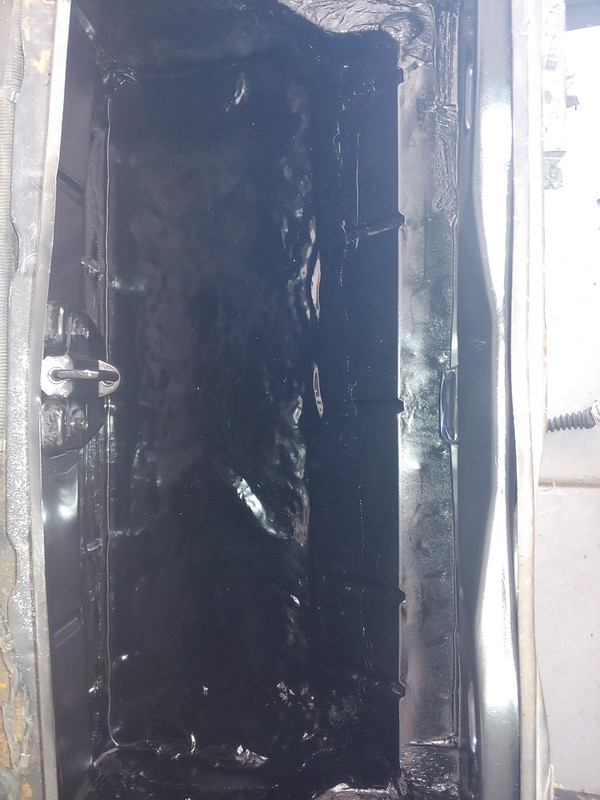
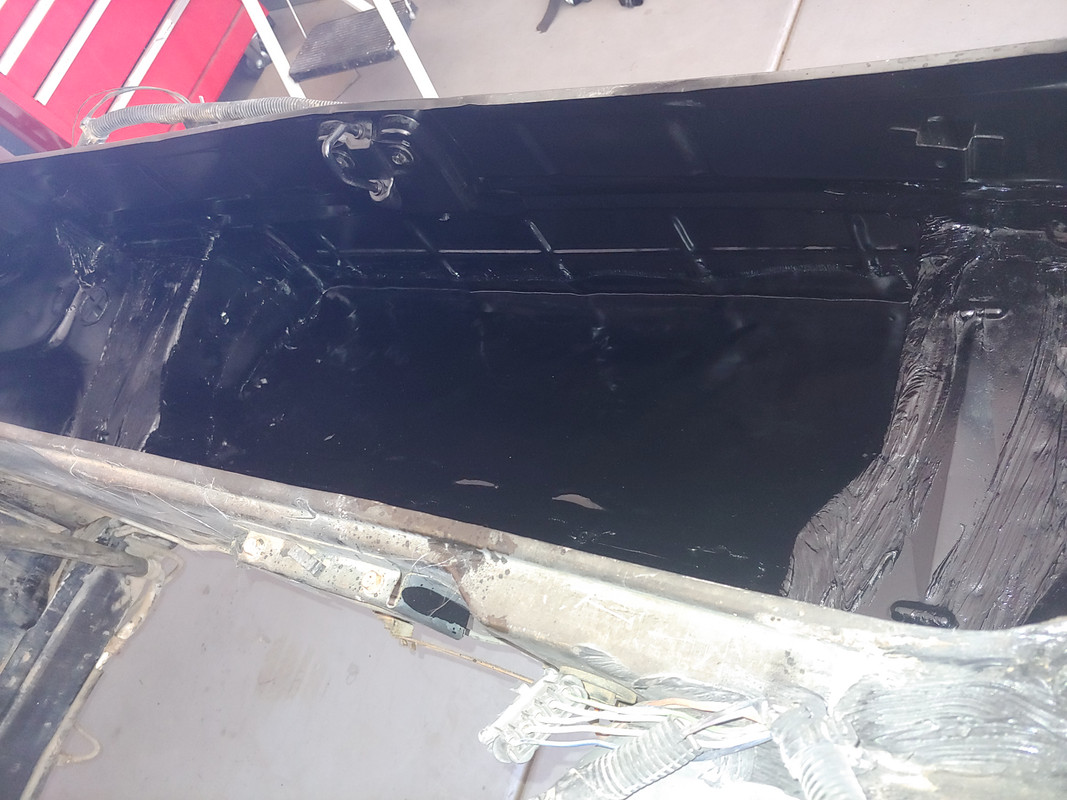
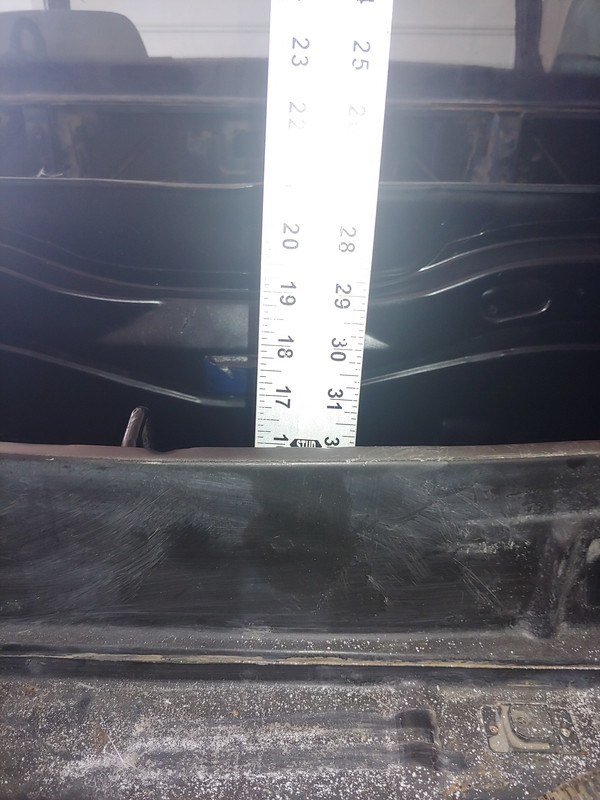
Finally got a bottom in the reduced size trunk. I lost a bit of room to accomodate the exhaust system and the sway bar, but I think it was an acceptable compramise. Still room for a duffle bag for an overnight trip, or a couple of camping chairs and car detail suplies when we go to the local parking lot car shows. Good thing I seldom win. No room for a trophy.
|
|
|
|
Daryl M
|
NOV 07, 02:38 PM
|
|
| quote | Originally posted by Will:
We're pretty sure the connection from the front cam cover to the intake boot is the PCV fresh air.
There's a surprising amount of engineering that goes into PCV systems. Don't second guess GM on that one... just hook it up the way they did and send it. |
|
Guru, I have read that a catch can does help with buildup on the intake valves. Is that true?
|
|
|
|
Daryl M
|
NOV 08, 01:48 AM
|
|
| quote | Originally posted by Will:
We're pretty sure the connection from the front cam cover to the intake boot is the PCV fresh air.
There's a surprising amount of engineering that goes into PCV systems. Don't second guess GM on that one... just hook it up the way they did and send it. |
|
As for the fitting (question #1) the broken one used to look kinda like that. They both were to mount the engine cover.
|
|
|
|
Will
|
NOV 08, 09:39 AM
|
|
| quote | Originally posted by Daryl M:
Guru, I have read that a catch can does help with buildup on the intake valves. Is that true?
|
|
How much trouble does the LFX have with deposits? I thought the engines that had problems with valve deposits were mostly the ones with external EGR. Soot from the EGR mixes with oil vapor from the PCV system to produce wet gunk that adheres to the valve, then cokes. Take the EGR out of the mix and it's not nearly as much of a problem.
|
|
|
|
Raydar
|
NOV 08, 05:10 PM
|
|
| quote | Originally posted by Will:
How much trouble does the LFX have with deposits?
...
|
|
I have read some posts on the Camaro forum that lead me to believe that intake valve deposits really are "a thing" with the DI V6s, including the LFX.
To the point that people were talking about blasting the valves (hopefully while closed) with walnut shells, and then installing a catch can.
I would be inclined to pull the intake manifold(s) - if they haven't been, already - and at least check the valves. Base your decision to implement a catch can according to how the valves look, how many miles are on the engine, and how many miles you think you'll put on it. Just MHO.[This message has been edited by Raydar (edited 11-08-2019).]
|
|
|
|
Daryl M
|
NOV 08, 10:56 PM
|
|
| quote | Originally posted by Raydar:
I have read some posts on the Camaro forum that lead me to believe that intake valve deposits really are "a thing" with the DI V6s, including the LFX.
To the point that people were talking about blasting the valves (hopefully while closed) with walnut shells, and then installing a catch can.
I would be inclined to pull the intake manifold(s) - if they haven't been, already - and at least check the valves. Base your decision to implement a catch can according to how the valves look, how many miles are on the engine, and how many miles you think you'll put on it. Just MHO.
|
|
The LFX was GMs main passenger car V6 from 2012 to 2016. It was used in Cadillacs, Chevys, Buicks and GMC cars and crossovers. That's a bunch of cars. If it were a serious problem, GM would have fixed it, wouldn't they? A catch can can't hurt, but I don't think intake valve buildup will be a high priority.
|
|
|